916-780-1000

Emergency Dental Care: Addressing Broken Teeth to Lost Fillings Quickly

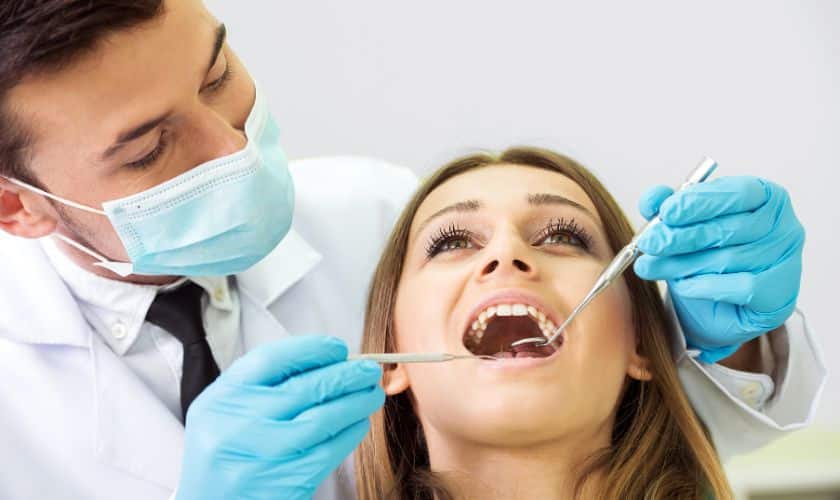
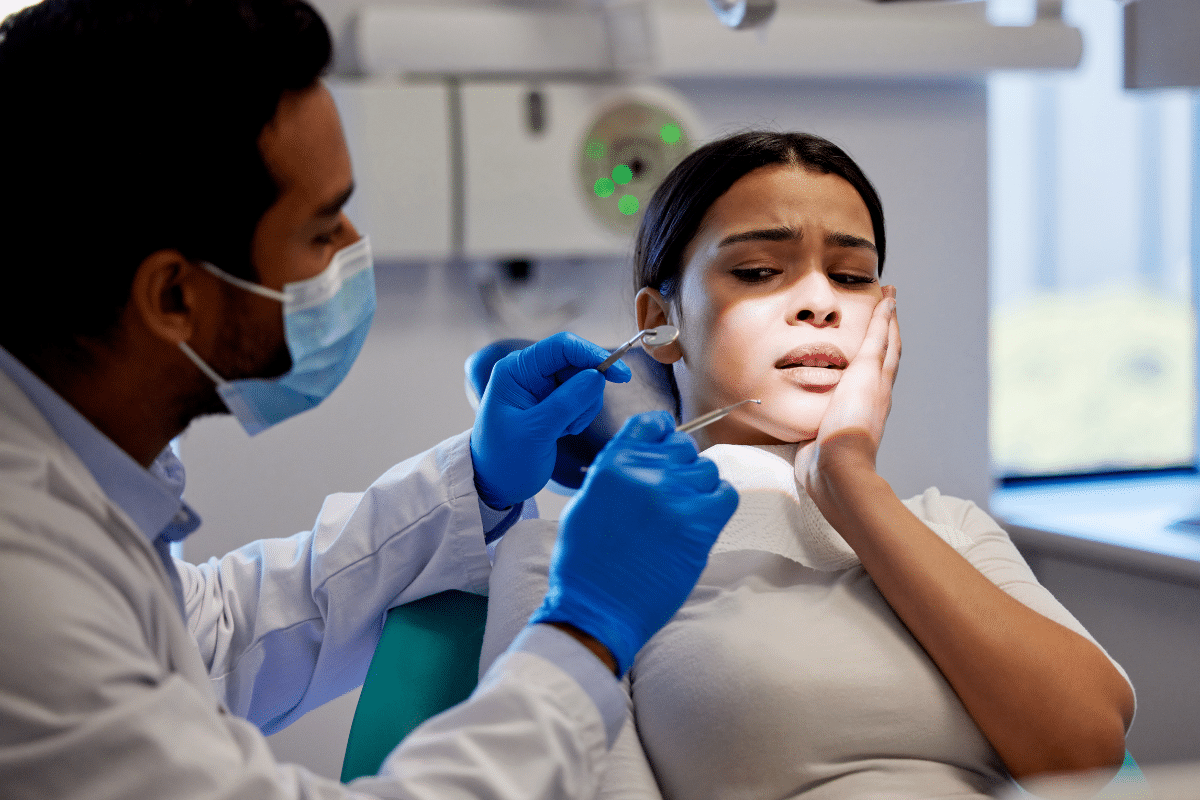
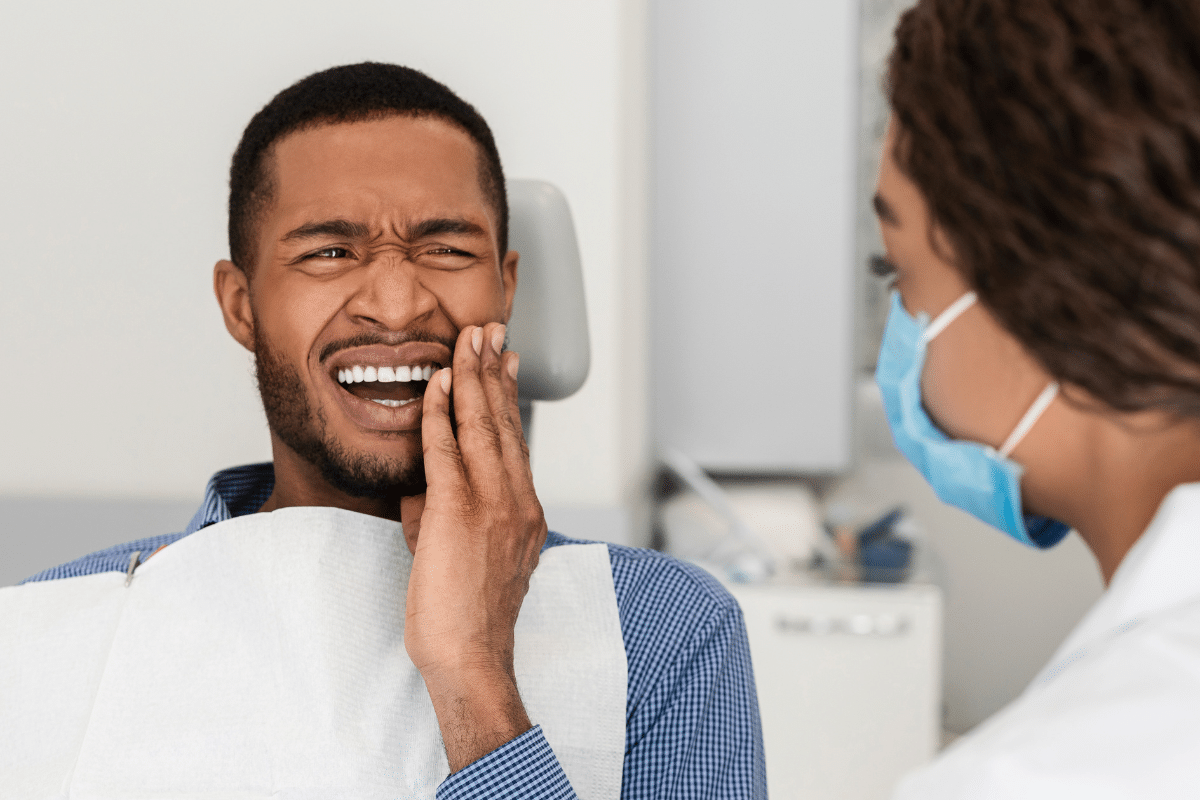
Emergencies can strike at any moment, including dental emergencies. From sudden toothaches to broken teeth or lost fillings, knowing how to address these issues promptly is crucial for preserving oral health and preventing further complications. In this comprehensive guide, we’ll explore common dental emergencies, their causes, and effective strategies for managing them until you can see a dentist.
Understanding Dental Emergencies:
Dental emergencies encompass a range of issues that require immediate attention to alleviate pain, prevent infection, and preserve oral structures. Some common emergencies include toothaches, broken or knocked-out teeth, lost fillings or crowns, and severe gum pain or swelling. These situations can arise due to various factors such as trauma, decay, infection, or underlying oral health issues.
Managing Toothaches:
Toothaches can be excruciating and may indicate an underlying dental problem such as decay, infection, or gum disease. If you experience a toothache, rinse your mouth with warm water, floss to remove any trapped debris, and apply a cold compress to reduce swelling. Over-the-counter pain relievers can help alleviate discomfort temporarily until you can see a dentist for proper evaluation and treatment.
Dealing with Broken or Knocked-Out Teeth:
A broken or knocked-out tooth requires immediate attention to salvage the tooth and prevent further damage. If your tooth breaks, rinse your mouth with warm water, apply a cold compress to reduce swelling, and save any broken tooth fragments if possible. If a tooth gets knocked out, handle it carefully by the crown (top part) and try to reinsert it into the socket if feasible. Otherwise, place it in a container of milk or saliva and seek emergency dental care right away.
Addressing Lost Fillings or Crowns:
Lost fillings or crowns can leave the affected tooth vulnerable to decay and sensitivity. If you lose a filling or crown, avoid chewing on that side of your mouth and gently clean the area to remove any debris. You can use temporary dental cement or sugar-free gum to cover the exposed tooth surface temporarily until you can see your dentist for a permanent restoration.
Preventing Future Emergencies:
While dental emergencies can be unpredictable, adopting preventive measures can help reduce the risk of experiencing them. Maintain good oral hygiene practices, including brushing twice a day, flossing daily, and visiting your dentist regularly for check-ups and cleanings. Wear a mouthguard during sports activities to protect your teeth from trauma, and avoid chewing on hard objects that could damage your teeth or dental restorations.
Conclusion:
Emergency dental care is essential for addressing sudden oral health issues and preventing further complications. By knowing how to respond to common emergencies such as toothaches, broken teeth, or lost fillings, you can minimize pain and discomfort until you can seek professional dental treatment. Remember to stay calm, follow the recommended steps for each situation, and contact your dentist promptly for assistance. Your proactive approach to dental emergencies can make a significant difference in preserving your oral health and well-being.