916-780-1000

Shining Light On Oral Cancer: Understanding Risks and Prevention


Oral cancer remains a significant health concern, often lurking unnoticed until it reaches advanced stages. Despite its potentially devastating effects, awareness about this disease remains relatively low. In this article, we’ll delve into the risks associated with oral cancer and explore preventive measures that can help safeguard your oral health.
Understanding Oral Cancer: The Basics
Oral cancer refers to any cancerous tissue growth occurring in the mouth or throat. It can affect various areas, including the lips, tongue, cheeks, gums, roof, and floor of the mouth, as well as the tonsils and throat. While tobacco and alcohol use are well-established risk factors, other factors such as human papillomavirus (HPV) infection, sun exposure (for lip cancer), and poor oral hygiene also play significant roles.
Recognizing the Signs and Symptoms
One of the challenges of oral cancer lies in its ability to masquerade as a less threatening condition. Common signs and symptoms include persistent mouth sores, swelling or lumps in the mouth, difficulty chewing or swallowing, chronic sore throat, and unexplained bleeding. It’s crucial to pay attention to any changes in your oral health and promptly report them to your dentist.
The Importance of Regular Oral Cancer Screening
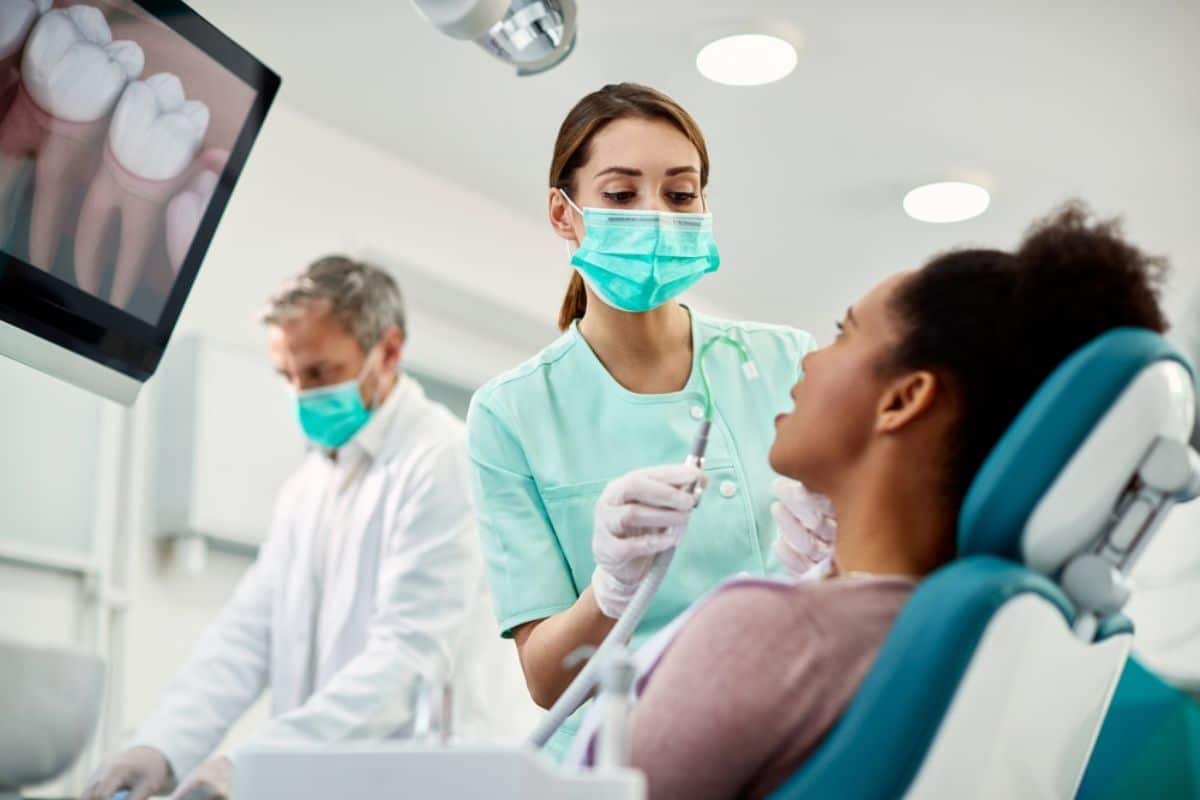
Regular screenings for oral cancer are essential for early detection and improved treatment outcomes. During a dental check-up, your dentist will carefully examine your mouth for any signs of abnormalities. Early detection significantly increases the chances of successful treatment and recovery. Therefore, visiting a reliable dentist for routine check-ups is paramount in maintaining optimal oral health.
Reducing Your Risk: Prevention Strategies
While certain risk factors for oral cancer, such as genetics, cannot be modified, there are proactive steps you can take to lower your risk:
1. Kick the Habit: Tobacco use, whether smoking or chewing, is one of the most significant risk factors for oral cancer. Quitting smoking and avoiding tobacco products can substantially reduce your risk.
2. Moderate Alcohol Consumption: Excessive alcohol consumption is strongly linked to oral cancer. Limiting your intake of alcoholic beverages can help mitigate this risk.
3. Practice Sun Safety: If you spend a lot of time outdoors, especially in sunny climates, protect your lips with sunscreen or lip balm containing SPF to reduce the risk of lip cancer.
4. Maintain Good Oral Hygiene: Poor oral hygiene can contribute to the development of oral cancer. Brushing and flossing daily, along with regular visits to a dental office in Rocklin for professional cleanings, can help keep your mouth healthy.
5. Healthy Diet: Consuming a balanced diet rich in fruits and vegetables provides essential nutrients that support overall health, including oral health. Aim to include a variety of colorful fruits and vegetables in your meals.
6. HPV Vaccination: The HPV vaccine can help prevent infections with high-risk strains of the virus that are associated with oral cancer. Speak with your healthcare provider to determine if the vaccine is appropriate for you or your children.
Empowering Yourself with Knowledge
In conclusion, oral cancer is a serious but often preventable disease. By understanding the risks and adopting healthy lifestyle habits, you can take proactive steps to protect yourself and your loved ones. Remember, early detection through regular screenings by a dentist is key to successful treatment outcomes. Stay informed, stay vigilant, and prioritize your oral health for a brighter, cancer-free future.