
916-780-1000

Do You Grind Your Teeth at Night? Here’s Why It’s Dangerous and What to Do


Are you someone who usually wakes up with a sore jaw, headache, or sensitive teeth? You might be experiencing nighttime teeth clenching, which can have serious oral health consequences without proper treatment. Many people don’t realize this behavior until they experience pain or notice signs of wear on their teeth.
Would you like to know why you grind your teeth at night? This blog discusses the dangers, underlying causes, and how a dentist in Rocklin can help prevent long-term bruxism damage.
Why is nighttime Teeth Grinding Dangerous?
Sleep bruxism, another name for unconscious teeth clenching, puts undue strain on your jaw and teeth. You may eventually run into the following problems.
Tooth Damage: Teeth may chip, break, or come free due to the continuous strain. Additionally, it erodes enamel, resulting in tooth cavities and sensitivity.
Jaw Pain and Dysfunction: The temporomandibular joint (TMJ) abnormalities that result from the pressure on the jaw muscles can cause pain when you eat or even open your mouth.
Chronic Headaches and Earaches: The tension that clenching produces can sometimes cause discomfort by radiating to the ears and temples.
Inadequate Sleep: Grinding can cause sleep disturbances, which can cause daytime weariness and irritation.
Gum Recession: When the gums are forced away from the teeth by pressure, the roots become visible, raising the possibility of gum disease.
What Leads to Clenching of the Teeth at Night?
This bruxism disorder is caused by several reasons, including:
Stress and Anxiety: Jaw clenching is a common sign of increased tension, especially while sleeping.
Sleep Disorders: A lot of people who already have sleep apnea are prone to nighttime teeth grinding.
Lifestyle Choices: Smoking, drinking alcohol, and consuming large amounts of caffeine can all contribute to bruxism.
Medication: As a side effect, some drugs, such as antidepressants, can cause you to clench your teeth.
Dental Misalignment: Certain teeth may experience excessive pressure due to improper bite or malocclusion problems.
What Role Does a Dentist Play in Treating Bruxism?
Bruxism frequently stays undiagnosed until it seriously compromises dental health. Unconsciously grinding your teeth as you sleep might damage your jaws and teeth. Although stress is often the cause, sleep issues can also trigger bruxism. Your dentist evaluates all these factors to recommend which treatment approach is best for your grinding problem. Besides, these practitioners can easily identify the signs of excessive wear early on and develop a tailored strategy to stop your clenching habit. Here’s how:
Diagnosis and Assessment
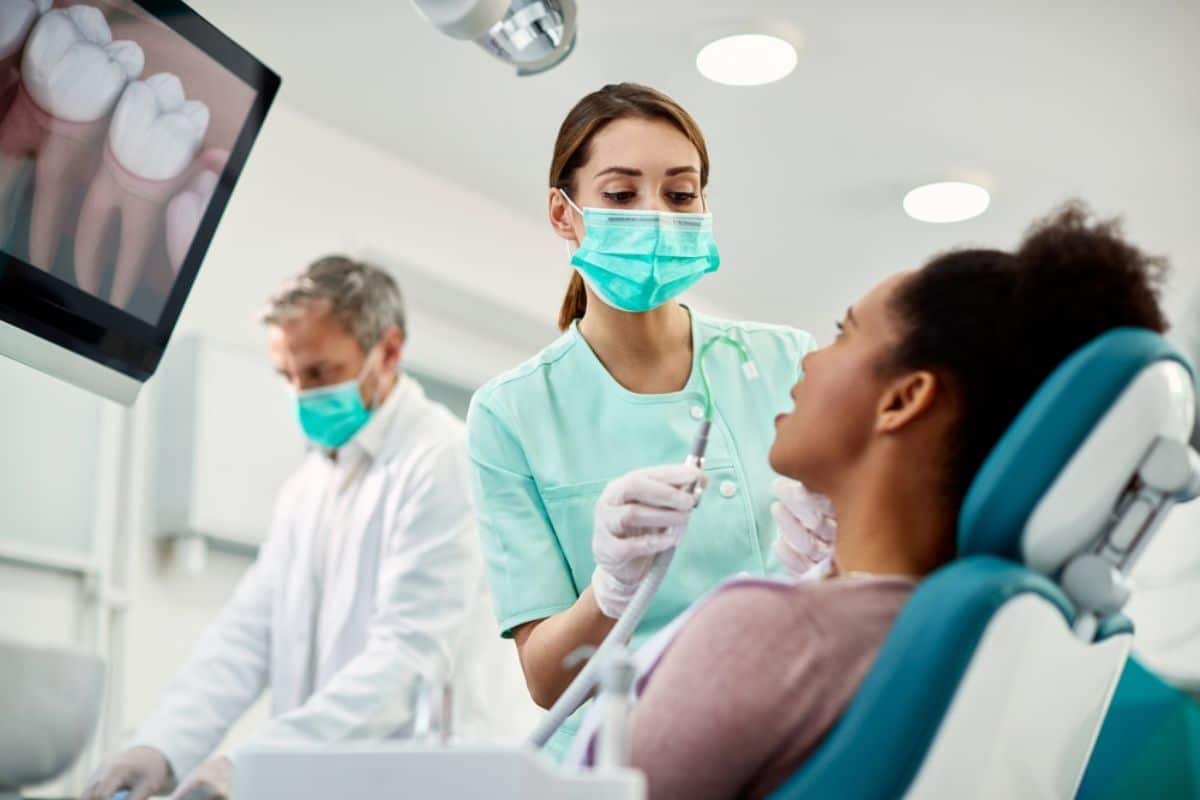
A Rocklin dentist will perform a comprehensive examination of your dental health. The purpose is to spot any signs of gum recession, fractures, and flattened teeth. In order to address bruxism, you can be questioned about other symptoms like jaw pain or morning headaches. To determine the severity of your bruxism condition, a sleep study may occasionally be suggested during the consultation.
Tailored Treatment Plans
A dentist may recommend the following procedures based on the patient’s condition:
Nightguards: These specially made dental guards shield teeth while you sleep and reduce pressure from grinding.
Corrective Procedures: If teeth clenching is caused by misalignment, braces or other orthodontic treatments may be advised.
Stress Management Techniques: To lessen stress, you may be advised to practice mindfulness, therapy, and relaxation techniques.
Lifestyle Modifications: Reducing the consumption of alcohol, tobacco, and caffeine can minimize the impact of grinding.
Frequent dental examinations can lessen the consequences of bruxism, while it may not always be feasible to completely prevent it. Besides, early dental intervention enhances oral health and improves the quality of life while avoiding consequences.