916-780-1000

Common Dental Emergencies and the Best Way to Handle Them

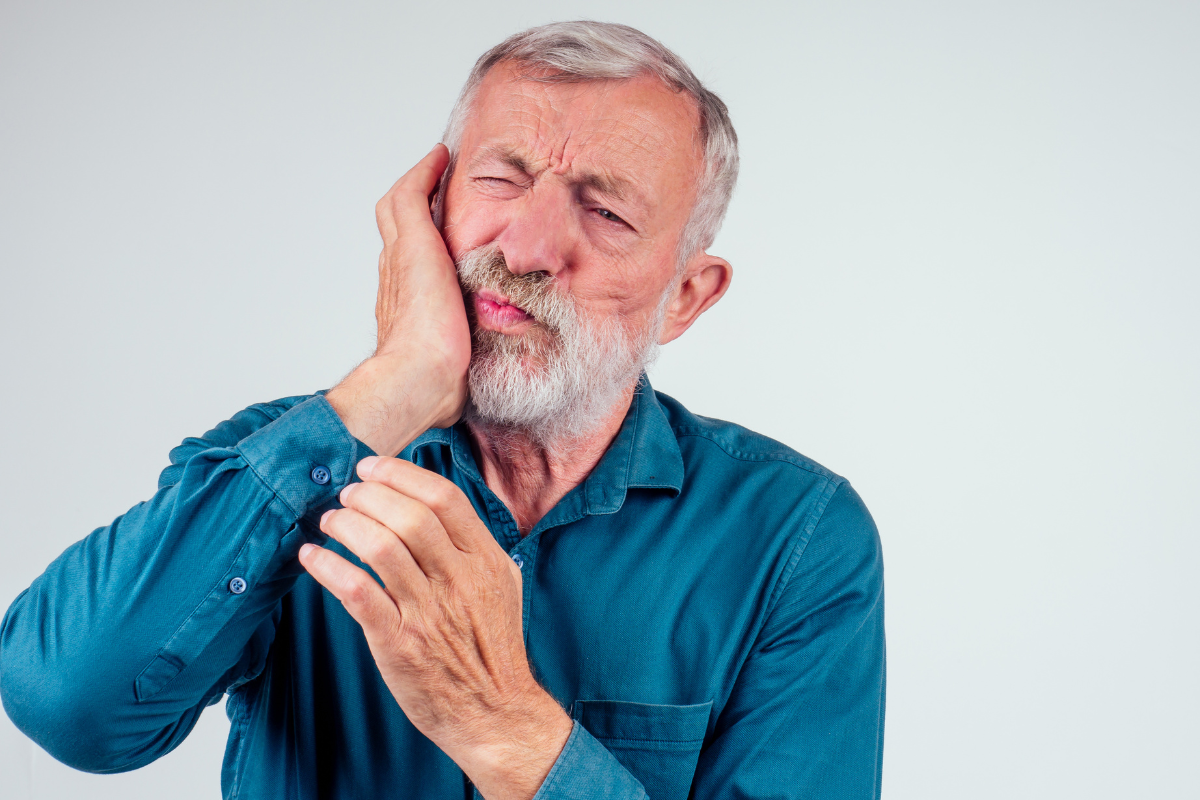
A dental emergency is an urgent physical trauma, acute oral infection, or sudden structural failure of the dentition that causes severe pain, uncontrolled bleeding, or direct risk to natural tooth viability. When an oral health crisis strikes, knowing exactly how to stabilize your mouth before reaching a professional operatory can mean the difference between saving or losing a tooth.
According to data published by the Centers for Disease Control and Prevention (CDC), over 2 million hospital emergency department visits every year in the United States are due to preventable dental conditions and acute oral trauma. While hospital emergency rooms can provide basic pain relief or antibiotics, they rarely possess the specialized tools to restore broken enamel or re-implant avulsed teeth.
At Pure Dentistry Rocklin, led by Kois-trained practitioner Dr. Darcé A. Slate, our practice focuses on providing evidence-based emergency protocols to restore your smile’s integrity. If you are experiencing severe discomfort, we invite you to visit our dental office immediately for a definitive diagnostic evaluation.
Recognized Dental Emergencies and Clinical First-Aid Steps
Recognizing the exact nature of an oral health crisis allows you to respond effectively before professional intervention. Below are the most frequent urgent dental conditions patients encounter and the immediate steps recommended to handle them.
Avulsed (Knocked-Out) Permanent Tooth
What is it? An avulsed tooth occurs when trauma completely dislodges a permanent tooth from its alveolar bone socket, severing vital periodontal ligaments and blood vessels.
How to Handle It: Time is the single most critical factor in saving an avulsed tooth. If re-implanted within 30 minutes, the root has the highest probability of successfully reattaching to the surrounding bone tissue.
Immediate Action Plan:
- Handle by the Crown: Pick up the tooth only by the top surface (the chewing crown). Never touch the delicate root surfaces, as doing so damages the live periodontal ligament cells required for reattachment.
- Rinse Gently: If the tooth is dirty, gently rinse it with cold water or saline solution for no more than 10 seconds. Do not scrub, scrape, or use chemicals.
- Re-insert or Preserve: Attempt to gently slide the tooth back into its original socket and bite down softly on a clean piece of gauze to hold it steady. If re-insertion is impossible, keep the tooth moist by placing it in a container of cold, fresh milk or inside your mouth next to your cheek.
- Seek Immediate Clinical Care: Contact a specialist proficient in emergency dentistry in Rocklin without delay to perform emergency splinting.
Cracked, Fractured, or Chipped Enamel
What is it? A cracked or fractured tooth involves a visible structural break through the protective outer enamel layer, often extending inward toward the dentin or internal pulp chamber.
How to Handle It: Even if a structural fracture does not cause instant pain, exposed internal layers leave the tooth vulnerable to rapid bacterial ingress and nerve degeneration.
When taking weekend strolls around Quarry Park Adventures or grabbing a bite near the historic Johnson-Springview Park area, an unexpected fracture from a hard piece of brittle material or a sudden physical impact requires immediate first aid. Seeking timely care from a provider of emergency dentistry in Rocklin ensures the fracture line is evaluated before deep infection develops.
Immediate Action Plan:
- Rinse the Cavity: Flush your mouth thoroughly with warm salt water (1/2 teaspoon of salt in 8 ounces of water) to cleanse the area and clear out bacterial debris.
- Collect Structural Fragments: If a segment of the enamel broke off intact, save it in a small, clean container with saline or milk.
- Protect Soft Tissues: Cover any sharp, jagged residual edges with orthodontic wax or sugarless chewing gum to prevent lacerations to your tongue and buccal cheeks.
- Reduce Swelling: Apply a cold compress wrapped in a towel to the external jaw area at 15-minute intervals.
Severe Toothache and Dental Abscess
What is it? A severe, throbbing toothache, especially one accompanied by localized gum swelling or a pimple-like bump, typically signifies an acute bacterial infection of the internal pulp tissue or a periapical dental abscess.
How to Handle It: An abscessed tooth will never resolve on its own. Left untreated, bacterial pathogens can traverse the root apex and spread into deep facial spaces or systemic circulation.
Whether you are enjoying local dining along Lonetree Boulevard or spending the afternoon near the Whitney Oaks district, a sudden, sharp toothache requires urgent clinical intervention. Utilizing specialized services for emergency dentistry in Rocklin enables targeted endodontic therapy or infection drainage to immediately stop bacterial destruction.
Immediate Action Plan:
- Gentle Flossing: Floss carefully around the painful tooth to rule out trapped food debris that may be applying pressure on the localized gum tissue.
- Avoid Direct Medication: Never apply aspirin or topical pain medications directly onto the gum tissue, as this causes chemical burn damage to the oral mucosa.
- Manage Inflammation: Use over-the-counter anti-inflammatory medications (such as ibuprofen) as directed to keep systemic inflammation in check until your professional consultation.
First-Aid Action vs. Objective
| Dental Emergency | Immediate Action | Primary Clinical Objective |
| Avulsed Permanent Tooth | Store in milk/saliva; handle crown only. | Preserve ligament cells for re-implantation. |
| Chipped/Cracked Enamel | Rinse mouth; cover sharp edges with wax. | Prevent mucosal cuts & protect exposed dentin. |
| Symptomatic Toothache/Abscess | Warm salt water rinse; take OTC pain relievers. | Control acute inflammation & stop bacterial spread. |
| Dislodged Restoration | Apply temporary dental cement or sugarless gum. | Seal nerve pathways from thermal stimuli. |
Restorative Solutions Following Emergency Stabilization
Once an acute dental emergency is stabilized, long-term restorative planning is required to bring your bite back to optimal function and harmony. Depending on the extent of damage to the internal pulp, underlying bone, or crown structures, various evidence-based modalities are utilized:
- Endodontic (Root Canal) Therapy: When nerve trauma or deep infection occurs, removing the inflamed vascular tissues while preserving the natural root structure is the gold standard method for preserving the natural tooth.
- Custom Porcelain Crowns: Heavily fractured teeth often require full-coverage ceramic crowns engineered to match natural enamel light transmission and withstand heavy masticatory forces.
- Neuromuscular Denture Therapy: In cases where traumatic tooth loss occurs or older prosthetic appliances break unexpectedly, state-of-the-art prosthetic systems—such as advanced neuromuscular dentures—work harmoniously with your jaw muscles and facial height to restore aesthetics, chewing function, and comfort.
Schedule Your Clinical Diagnostic Evaluation
Managing a sudden oral health crisis requires swift, calculated action and individualized care. Treatment requirements vary significantly based on your unique oral anatomy, the degree of structural damage, and tissue health.
To explore personalized treatment solutions and restore your smile’s health, peace of mind, and function, please book an appointment at our office today for a comprehensive diagnostic assessment.
Frequently Asked Questions (FAQs)
What is considered a true dental emergency?
A true dental emergency involves severe pain, uncontrolled oral bleeding, structural tooth trauma, or active bacterial infection. These conditions require immediate professional intervention to alleviate discomfort and prevent permanent tissue damage.
Can a knocked-out tooth be saved permanently?
Yes, a knocked-out permanent tooth can often be saved if re-implanted within 30 to 60 minutes. Keeping the root moist in milk or saliva preserves periodontal ligament viability for successful reattachment.
How do I relieve severe toothache pain at home temporarily?
Rinse your mouth with warm salt water and carefully floss around the affected area. Take over-the-counter pain relievers as directed, but avoid placing medication directly against the gums.
What should I do if a dental crown or filling falls out?
Clean the restoration and temporarily reattach it using over-the-counter dental cement or sugarless gum. Contact your dentist promptly to prevent bacterial decay and sensitivity in the exposed tooth structure.
Is a cracked tooth an emergency if it doesn’t hurt?
Yes, a cracked tooth requires urgent evaluation even if pain is not immediately present. Inner layers remain exposed, allowing bacteria to migrate into the nerve chamber over time.
Can I go to the hospital emergency room for a dental emergency?
Hospital emergency rooms can prescribe temporary antibiotics or pain relievers, but they do not possess specialized dental equipment. You should see an emergency dentist for actual dental repairs and restorations.
How can I prevent dental injuries during sports or outdoor activities?
Wear a custom-fitted athletic mouthguard during high-impact sports to absorb mechanical shocks. Avoid biting on hard objects or using your teeth as tools to open packaging.