
916-780-1000

Invisalign Oral Hygiene Tips: How to Keep Your Smile Healthy


A straighter smile can improve both confidence and oral health, and Invisalign offers a discreet way to work toward that goal. Unlike traditional braces, Invisalign uses a series of clear, removable aligners that gradually guide teeth into better alignment. If you are considering Invisalign in Rocklin, understanding how to care for your teeth and aligners can help you maintain a healthy smile throughout treatment.
Why Choose Invisalign?
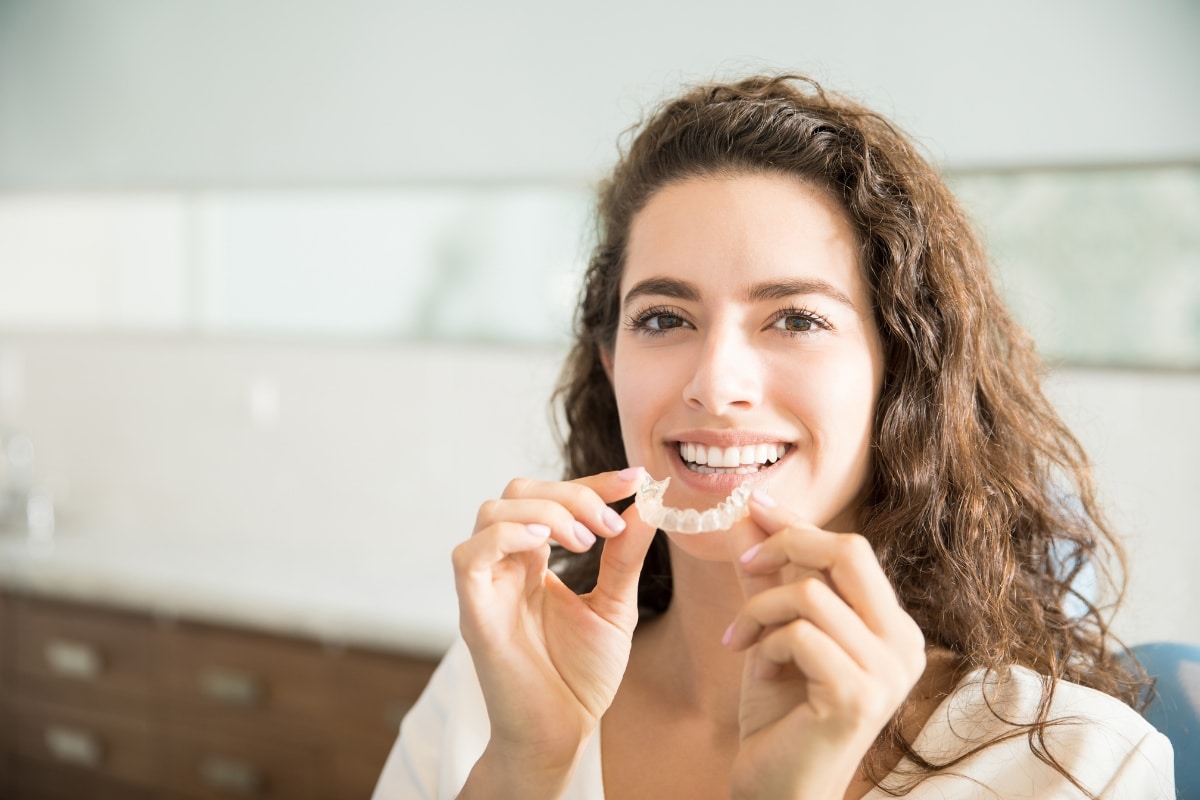
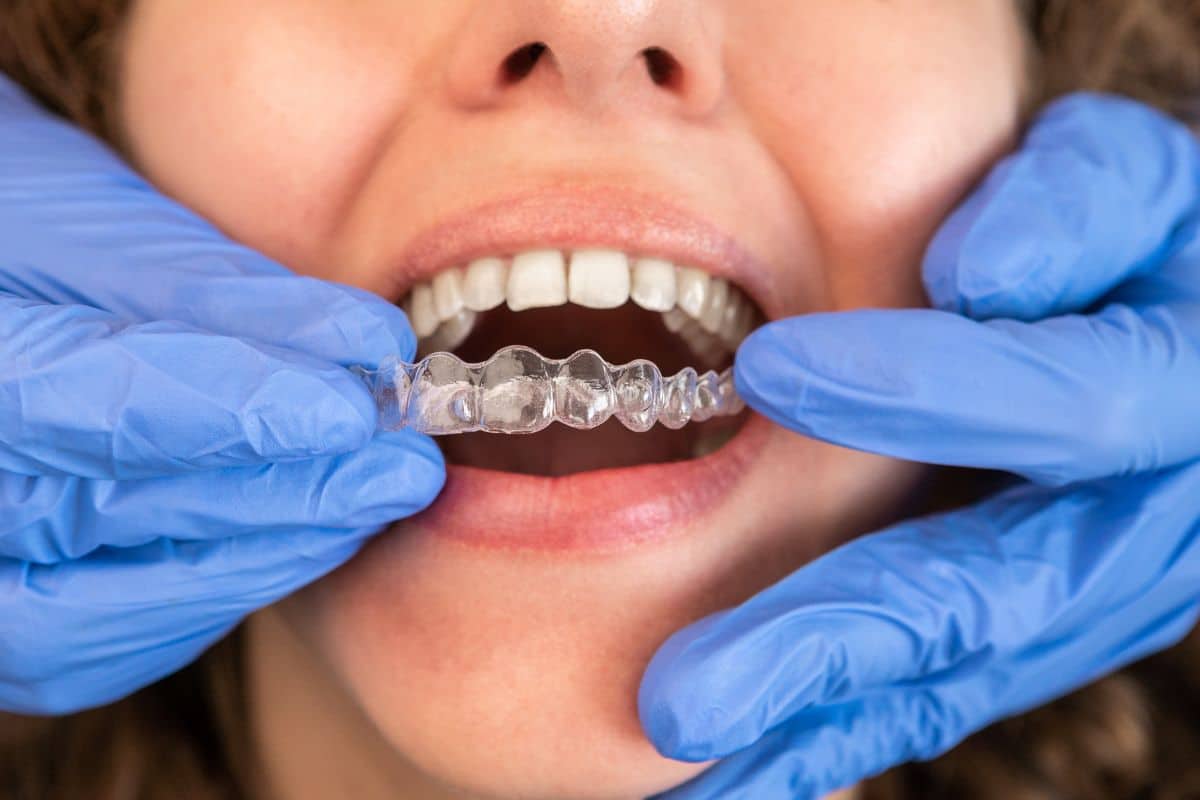
Invisalign aligners are designed to fit comfortably over your teeth while applying gentle, controlled pressure to guide them into position. Because the aligners are removable, patients can take them out when eating, drinking, brushing, and flossing.
For many adults and teens, this flexibility makes Invisalign an appealing alternative to traditional braces. Our dental office provides customized Invisalign treatment plans based on each patient’s oral health and smile goals.
Maintain Good Oral Hygiene During Invisalign Treatment
Keeping your teeth clean is especially important when wearing clear aligners. Before putting your aligners back in, brush your teeth thoroughly to remove food particles and plaque.
Brush twice a day with fluoride toothpaste and use a soft-bristled toothbrush. Floss at least once a day to clean between your teeth and along the gumline.
Good daily hygiene can help reduce the risk of cavities, plaque buildup, bad breath, and gum irritation while you work toward a straighter smile.
Clean Your Invisalign Aligners
Your aligners should also be cleaned regularly. Rinse them with cool or lukewarm water whenever you remove them. Follow your dental provider’s recommended cleaning routine to keep the trays fresh and clear.
Avoid exposing your aligners to hot water because heat can potentially affect their shape. Keeping the trays clean also helps prevent unwanted buildup while you are wearing them.
Remove Aligners Before Eating
One of the biggest conveniences of invisalign in Rocklin is that the aligners are removable. Take them out before eating meals or consuming beverages other than plain water.
Food and sugary drinks can leave residue on your teeth. If you place your aligners back over unclean teeth, that residue can remain trapped against your teeth for an extended period.
After eating, brush your teeth when possible before putting your aligners back in.
Follow Your Recommended Wear Schedule
Invisalign works through consistent wear. Your dental provider will give you specific instructions about how long to wear your aligners each day and when to change to the next set.
Following those instructions is important for keeping treatment on track. Avoid leaving your aligners out for unnecessary periods, and store them safely in their case whenever you are not wearing them.
Attend Your Invisalign Checkups
Regular appointments allow your dental team to monitor your progress and make sure your treatment is developing as planned. Your provider can also evaluate your oral health and address concerns involving your teeth, gums, or aligners.
At Pure Dentistry, Invisalign treatment begins with an evaluation to determine whether clear aligners are appropriate for your needs. Custom treatment planning is then used to guide your teeth toward improved alignment.
Ready to Transform Your Smile With Invisalign
If you are ready to achieve a straighter, more confident smile without traditional metal braces, Invisalign may be a convenient option to consider. At Pure Dentistry, our dental team provides personalized Invisalign treatment in Rocklin using custom clear aligners designed around your smile and treatment goals.
The first step is a consultation to determine whether Invisalign is appropriate for your teeth and discuss your treatment options. With professional guidance throughout your treatment, you can feel confident knowing your smile is being monitored along the way.
Ready to get started? Contact Pure Dentistry today to schedule your Invisalign consultation in Rocklin.
Frequently Asked Questions(FAQ’s)
Is Invisalign suitable for everyone?
Invisalign can address many common teeth-alignment concerns, but it is not appropriate for every patient or every orthodontic condition. A dental evaluation is necessary to determine whether clear aligners are a suitable option for your individual needs.
How long does Invisalign treatment take?
Treatment time varies depending on the complexity of your case and your individual treatment plan. Pure Dentistry notes that many patients complete treatment in approximately 12–18 months, although some cases may take less or more time
Can I eat while wearing Invisalign?
You should remove your aligners before eating. One advantage of Invisalign is that you can enjoy your normal foods after removing the trays. Brush or clean your teeth before putting the aligners back in whenever possible.
Why should I choose a dentist for Invisalign in Rocklin?
Choosing a local dental provider allows you to receive professional evaluation, customized treatment planning, and ongoing monitoring throughout your Invisalign journey. Our dental office provide Invisalign treatment in Rocklin and offers personalized care based on each patient’s dental needs and smile goals.