916-780-1000

What steps should I take in case of a dental emergency in Rocklin?

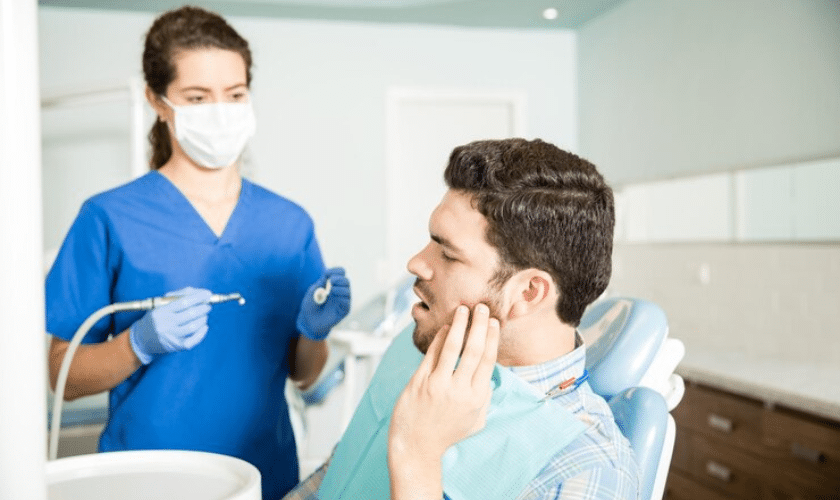
A dental emergency can strike unexpectedly, causing pain and anxiety. While seeking professional dental care is essential, knowing how to respond promptly and effectively can make all the difference in minimizing discomfort and preventing further complications. In this article, we outline the vital steps to take during a dental emergency in Rocklin, ensuring you’re prepared to navigate the situation with confidence and ease.
Stay Calm and Assess the Situation
The first and most crucial step in any dental emergency is to stay calm. Panicking can escalate the situation and hinder your ability to make rational decisions. Take a moment to assess the severity of the emergency. Is it a broken tooth, severe toothache, or something else? Understanding the nature of the emergency will guide your next steps.
Contact Your Dentist Immediately
In a dental emergency, time is of the essence. Contact your dentist’s office right away, even if the emergency occurs outside of regular business hours. Many dental practices have emergency hotlines or on-call dentists to assist you. Explain the situation clearly to the receptionist, and they will provide guidance on what to do next.
Control Bleeding and Swelling
If the dental emergency involves bleeding or swelling, take immediate steps to control it. Gently rinse your mouth with warm water to clean the area. If there’s bleeding, apply gentle pressure using a clean cloth or gauze. To reduce swelling, apply a cold compress to the outside of your cheek in intervals.
Save a Knocked-Out Tooth
If a tooth has been knocked out, there’s a possibility it can be saved if you act quickly. Hold the tooth by its crown (the top part), avoiding touching the roots. Rinse the tooth gently under water to remove dirt, but do not scrub it. Try to reinsert the tooth into its socket, or place it in a container of milk or your saliva to keep it moist. Seek dental attention promptly.
Manage Toothaches
Toothaches can be excruciatingly painful. Rinse your mouth with warm water to clean it, and use dental floss to gently remove any debris that might be causing the pain. Avoid placing aspirin or any medication directly on the tooth or gums, as it can lead to burns. Over-the-counter pain relievers can help manage the pain temporarily.
Handle Broken or Chipped Teeth
If a tooth is broken or chipped, gather any pieces you can find. Rinse your mouth with warm water to clean the area. If there’s bleeding, apply gentle pressure using gauze. A cold compress can help reduce swelling and alleviate discomfort. Seek professional dental evaluation as soon as possible to determine the appropriate treatment.
Keep Temporary Dental Solutions Intact
If you have temporary dental crowns, bridges, or fillings that become loose or fall out, try to secure them back in place temporarily. Dental adhesive, dental wax, or sugarless gum can be used to hold them in position. However, visit your dentist promptly to have them properly reattached or replaced.
Avoid Activities that Aggravate the Emergency
While waiting for your dental appointment, refrain from activities that could worsen the situation. Avoid hard or sticky foods, chewing on the affected side, and using the toothbrush near the affected area to prevent irritation.
Prepare an Emergency Dental Kit
Being prepared for dental emergencies is essential. Create a small emergency dental kit containing items like gauze, a small container, pain relievers, dental floss, and dental adhesive. Having these items on hand can help manage emergencies until you reach the dentist’s office.
Follow Up with Your Dentist
After receiving initial emergency treatment, it’s important to follow up with your regular dentist. They will assess the effectiveness of the initial care and recommend any further procedures or post-emergency care that might be needed.
Conclusion: Be Prepared and Take Action
A dental emergency in Rocklin can be a stressful situation, but knowing the right steps to take can significantly alleviate discomfort and prevent potential complications. By staying calm, seeking immediate dental attention, and taking proactive measures to control pain and swelling, you can ensure the best possible outcome during a dental emergency. Remember, timely action and effective communication with your dentist are key to managing emergencies and safeguarding your oral health.