
916-780-1000

How to Overcome Dental Anxiety: Tips from Your Rocklin Dentist

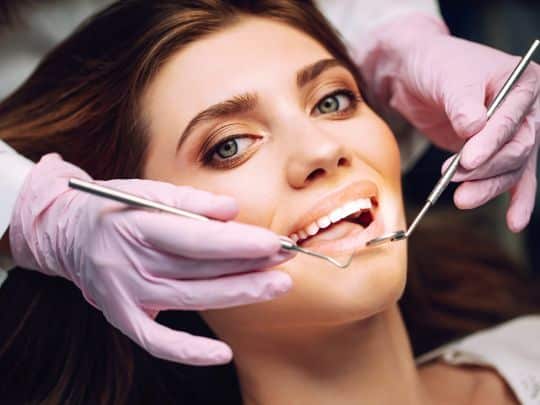
For many individuals, the thought of visiting the dentist can evoke feelings of anxiety and apprehension. Dental anxiety is a common phenomenon that can prevent people from seeking necessary oral care. In this blog, we’ll explore the various aspects of dental anxiety and provide expert tips from dentists in Rocklin, CA, on how to overcome these fears and make dental visits a more comfortable experience.
Understanding Dental Anxiety:
Dental anxiety, often stemming from fear of pain, past traumatic experiences, or general unease about dental procedures, can be a significant barrier to maintaining optimal oral health. It is crucial to recognize and address these anxieties to ensure that individuals receive the dental care they need without unnecessary stress.
Tips to Overcome Dental Anxiety:
- Choose a Compassionate Dentist: Selecting a dentist in Rocklin who understands and addresses dental anxiety is paramount. Look for a dental professional known for their compassionate approach, a willingness to listen to concerns, and a commitment to creating a comfortable environment for patients.
- Open Communication: Establishing open communication with your dentist is key to overcoming anxiety. Share your fears and concerns with them before any procedure. Dentists in Rocklin, CA, are trained to work with anxious patients and can tailor their approach to make you feel more at ease.
- Gradual Exposure: If dental anxiety is severe, consider gradual exposure to the dental environment. Start with short visits for routine check-ups before progressing to more extensive procedures. This gradual approach allows you to build trust with your dentist and acclimate to the dental setting.
- Explore Relaxation Techniques: Techniques such as deep breathing, meditation, or guided imagery can help manage anxiety during dental appointments. Many dentists in Rocklin incorporate these relaxation methods into their practice to create a calming atmosphere for their patients.
- Bring a Supportive Companion: Having a friend or family member accompany you to dental appointments can provide emotional support and reassurance. Some dentists in Rocklin may even allow a trusted companion to be present during procedures to help ease anxiety.
- Ask About Sedation Options: In some cases, sedation dentistry may be a suitable option for individuals with severe dental anxiety. Dentists in Rocklin can discuss various sedation options, such as nitrous oxide or oral sedatives, to ensure a more relaxed experience.
- Educate Yourself: Fear of the unknown can contribute to dental anxiety. Take the time to educate yourself about dental procedures and technologies. Understanding the process and knowing what to expect can demystify dental visits and reduce anxiety.
- Schedule Morning Appointments: Plan your dental appointments for the morning when you are likely to feel more relaxed. This allows you to avoid spending the day worrying about the upcoming visit, and mornings are often less busy, providing a more peaceful atmosphere.
- Use Distraction Techniques: Many dentists in Rocklin incorporate distraction techniques, such as providing headphones for music or offering entertainment options during procedures. Focusing on something other than the dental work can help alleviate anxiety.
- Reward Yourself: After each dental visit, reward yourself for facing and overcoming your anxiety. Treat yourself to a small indulgence or engage in an activity you enjoy. Positive reinforcement can help create a more positive association with dental care.
Conclusion:
Dental anxiety is a common challenge, but it should not prevent individuals from prioritizing their oral health. Dentists in Rocklin, CA, are equipped with the knowledge and skills to address these fears and provide a comfortable experience for every patient. By implementing these expert tips and working collaboratively with your dentist, you can overcome dental anxiety and ensure that your oral health remains a priority for a lifetime of healthy smiles.