916-780-1000

The Ultimate Guide to Spotting a Dental Emergency Before It’s Too Late


When sudden oral pain strikes or an unexpected accident happens while you are enjoying a weekend outing, knowing whether you need immediate intervention or a standard scheduled appointment can save your smile. Most people remain unsure of what truly constitutes an urgent oral crisis. This lack of clear knowledge often leads to prolonged suffering, permanent structural loss, or extensive secondary infections due to delayed care. Understanding how to differentiate a minor inconvenience from a difficult situation ensures you preserve your natural teeth and manage acute discomfort swiftly.
At Pure Dentistry Rocklin, our clinical team delivers comprehensive, urgent treatments to preserve your long-term oral health. Led by Dr. Darce A. Slate, our practice focuses on providing precise diagnostic care and rapid pain relief when you need it most. If you are currently facing acute oral distress, contact our emergency dentist in Rocklin immediately to address your needs.
What Qualifies as an Urgent Dental Situation?
A dental emergency refers to any acute clinical scenario involving severe pain, uncontrolled hemorrhage, structural tooth fractures, or bacterial infections that pose an immediate risk to your systemic health. These situations mandate rapid intervention to alleviate suffering, prevent tooth loss, and contain spreading pathogens. If left untreated, minor issues can quickly turn into major systemic complications.
According to data from the National Center for Health Statistics, millions of dental emergency visits occur in the United States annually, many of which involve acute dental infections and trauma that could have been prevented with faster clinical triage. In our community, an emergency could arise from something as simple as taking a hard fall while mountain biking down the rugged trails at nearby Quarry Park, or unexpectedly fracturing a restoration while biting into an artisanal wood-fired pizza during a family dinner downtown. When physical structural damage or unmanageable throbbing occurs, waiting it out is never a safe or viable option.
Key Warning Signs You Must Not Ignore
Recognizing specific clinical presentations allows you to seek timely treatment before an infection or injury advances.
Uncontrollable and Persistent Bleeding
Uncontrolled oral bleeding from the gingival tissues, tongue, or cheek lining that fails to stop after ten minutes of direct pressure indicates severe soft tissue trauma or a vascular complication. If you have recently undergone an advanced oral procedure or suffered a blunt impact injury near your jawline, continuous hemorrhaging requires an immediate evaluation by an emergency dentist in Rocklin to achieve proper hemostasis and close the wound.
Severe, Throbbing Tooth Pain
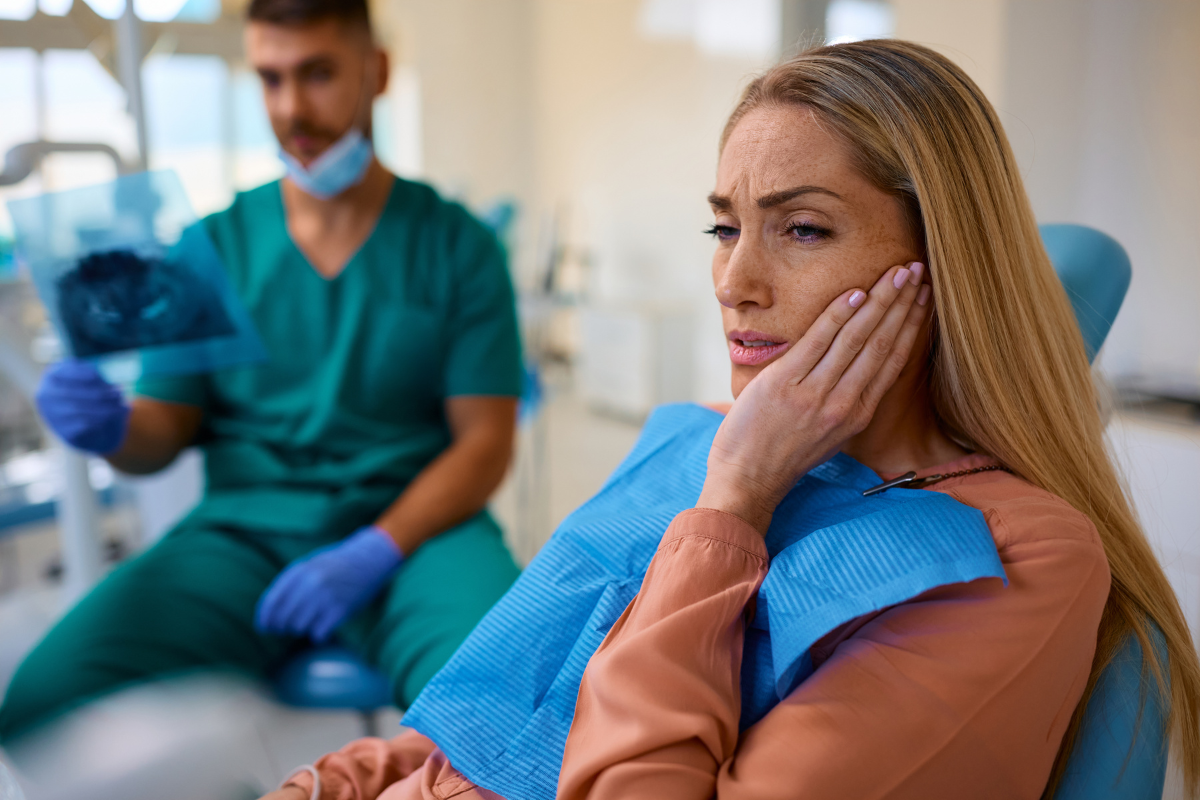
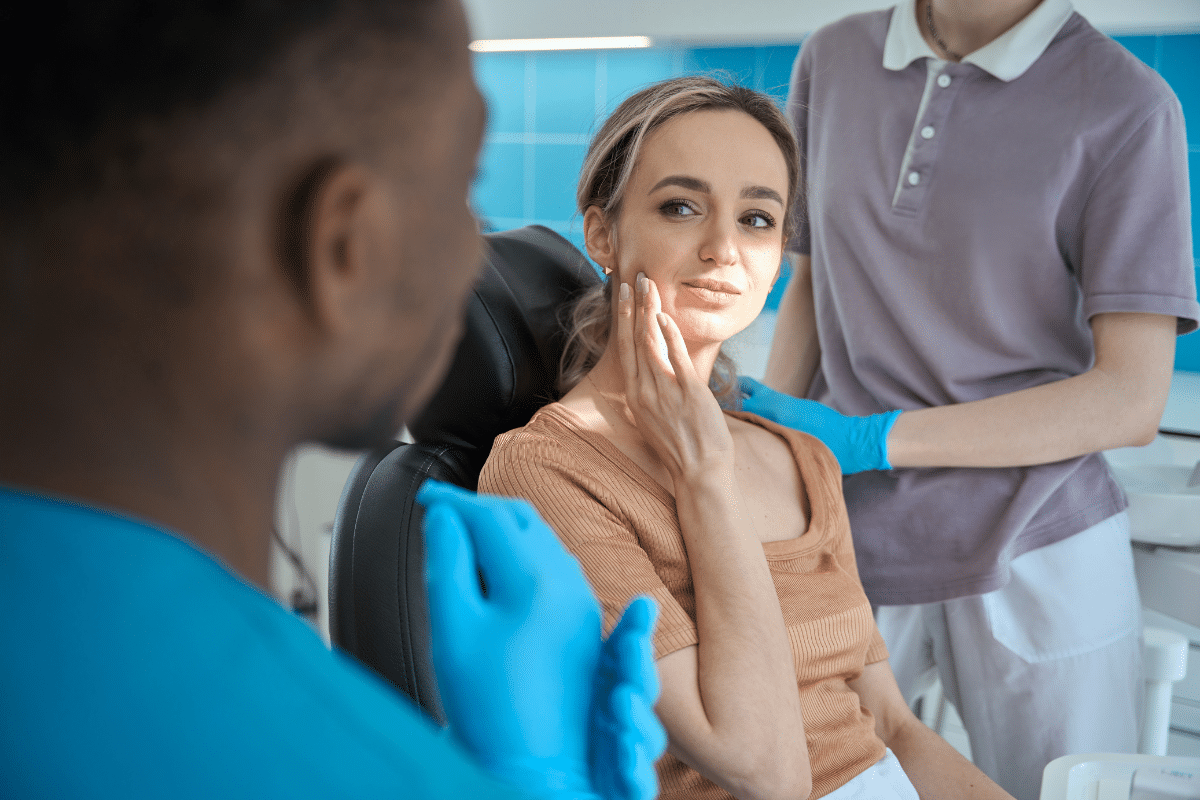
A constant, radiating toothache that prevents sleep, interferes with daily activities, and fails to respond to over-the-counter anti-inflammatory options usually indicates internal nerve inflammation or an advanced abscess. This level of discomfort is a clear sign that the pulp tissue inside your tooth is compromised, requiring an experienced emergency dental care provider to perform targeted therapies like laser-assisted root canal treatment to eliminate the deep-seated infection.
Loose or Avulsed (Knocked-Out) Permanent Teeth
A fully avulsed adult tooth is a time-sensitive crisis where every single minute counts. If you act within thirty to sixty minutes, an emergency dentist in Rocklin can often successfully replant the natural tooth into its original socket. Keep the tooth moist by placing it in plain milk or a specialized cellular preservation solution while you travel to the clinic, ensuring you do not touch the sensitive root surface.
Differentiating Emergencies from Routine Issues
Understanding how urgent situations compare to standard dental concerns helps you avoid unnecessary panic while ensuring critical symptoms are addressed without delay.
| Clinical Scenario | Emergency Action Required | Routine Care (Next Available Appointment) |
| Knocked-Out Permanent Tooth | Yes, immediate replantation is required within one hour. | No, this cannot wait for a standard opening. |
| Mild Tooth Sensitivity | No, nerve paths are stable and intact. | Yes, it can be evaluated during standard hours. |
| Swelling with Fever | Yes, it indicates a spreading bacterial infection. | No, immediate antibiotic or drainage therapy is needed. |
| Lost or Broken Dentures | Yes, it compromises basic nutrition and function. | No, requires prompt restorative lab adjustments. |
| Minor Chip (No Pain) | No, an enamel fracture does not compromise the internal pulp. | Yes, it can be smoothed down or bonded later. |
Common Causes of Oral Trauma and Infection
Dental emergencies typically stem from progressive, untreated decay or sudden physical trauma. Recognizing how these issues develop helps you stay vigilant.
- Progressive Bacterial Decay: Microscopic decay that penetrates through the hard enamel and deep into the dentin eventually breaches the internal pulp chamber, causing severe infections.
- Structural Failures: Existing deep fillings or old restorations can fail under normal biting forces, exposing vulnerable inner layers to oral bacteria.
- Physical Activity Accidents: Participating in local recreational sports without a custom mouthguard frequently leads to fractured roots, broken crowns, or fully displaced teeth.
- Damaged Removable Prosthetics: Dropping your full or partial dentures on a hard bathroom tile can fracture the acrylic baseplate, making it impossible to chew or speak properly.
When structural failures or deep fractures disrupt your daily life, visiting our dental office ensures that the structural integrity of your bite is safely restored. For individuals utilizing custom dentures, an unexpected break can severely compromise speech and nutrition, necessitating prompt clinical repair, realignments, or advanced replacement solutions to restore full oral functionality.
Critical First-Aid Steps While Awaiting Care
What you choose to do in the first few minutes following an oral injury can fundamentally alter your long-term treatment outcome.
For a Knocked-Out Adult Tooth
Pick up the tooth solely by its chewing surface (the crown) and never touch the delicate root fibers. Carefully rinse away loose debris with cool water, attempt to gently slip it back into its socket, or keep it submerged in fresh milk to preserve the cells.
For Spreading Edema and Swelling
Apply a cold compress wrapped in a cloth to the exterior of your cheek for fifteen minutes at a time to reduce swelling. Rinse your mouth thoroughly with warm saltwater to cleanse the area and remove loose debris until you can visit our dental office for definitive care.
Protecting Your Smile Long-Term
While some accidents are completely unpredictable, the vast majority of severe infections can be prevented through proactive habits. Scheduling routine diagnostic checkups allows your team to catch micro-fractures and minor decay before they evolve into agonizing midnight toothaches. If you take part in local athletic leagues or enjoy mountain biking over rough regional terrain, investing in a custom-fabricated athletic mouthguard provides exceptional impact protection that store-bought alternatives simply cannot match. Additionally, avoiding habits like chewing on ice cubes, hard candy, or opening packaging with your teeth prevents sudden structural fractures.
Every smile possesses unique structural, anatomical, and biological needs that require professional evaluation. Rather than attempting to guess the severity of your symptoms or manage intense pain at home, we invite you to visit our dental office for a definitive diagnosis. Our team utilizes advanced digital imaging and clinical triage protocols to pinpoint the underlying cause of your discomfort, stabilize the area, and deliver lasting relief. Please call our office directly to schedule your personalized diagnostic evaluation and secure the precise care your smile deserves.
Frequently Asked Questions(FAQ’s)
What should I do if my filling falls out?
Clean the area with warm saltwater and avoid chewing on that side of your mouth. Contact a dentist promptly to schedule a replacement and protect the exposed dentin from decay.
Can a cracked tooth heal on its own?
No, a cracked tooth cannot heal because enamel lacks living cells to regenerate tissue. It requires professional restorative intervention, such as a custom crown, to prevent deep nerve damage.
How do I know if a toothache is an abscess?
An abscess typically presents as a severe, throbbing pain accompanied by localized gum swelling, a foul taste, or a fever. This condition requires immediate emergency intervention to control the infection.
Is a broken denture considered a dental emergency?
Yes, a broken denture is an emergency because it immediately impacts your ability to eat, speak, and function safely. Prompt clinical repair or relining is necessary to restore your quality of life.
Should I go to the emergency room for dental trauma?
Go to the emergency room if you experience severe facial swelling, uncontrollable bleeding, or jaw fractures. For isolated tooth damage, an emergency dentist is better equipped to save your teeth.
What happens if an infected tooth is left untreated?
An untreated dental infection can spread deep into the surrounding jawbone, neck tissues, and bloodstream. This can lead to serious, life-threatening systemic complications that require hospitalization.
How can I manage severe oral pain at home temporarily?
Apply a cold compress to your cheek and use over-the-counter anti-inflammatory medications exactly as directed. This temporary measure should only be used while you are actively arranging immediate professional care.