916-780-1000

Fast Dental Emergency Care: Symptoms, Steps, and Treatment


Sudden tooth pain, facial swelling, or a broken tooth can disrupt your day and make it difficult to think clearly. Knowing what requires urgent attention can help you protect your oral health and avoid preventable complications.
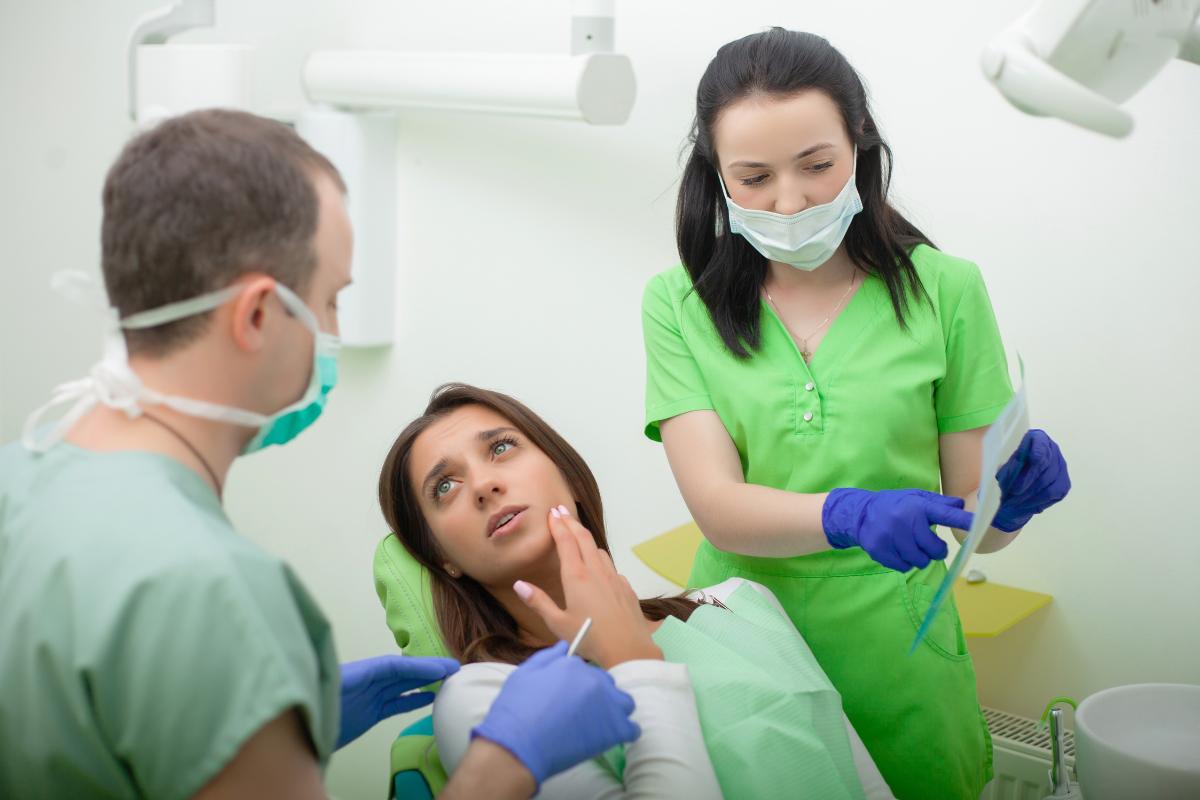
At Pure Dentistry Rocklin, Dr. A. Slate evaluates the source and severity of urgent dental problems before recommending treatment. Prompt attention is particularly important when an injury exposes the inside of a tooth or an infection begins to spread. Delaying care may lead to worsening pain, a more severe infection, or tooth loss. If you notice severe symptoms, contact our emergency dentist in Rocklin for instructions. The dental team can assess your situation, explain what to do before arriving, and prepare for your evaluation.
What Is Considered a Dental Emergency?
A dental emergency is an oral health problem that requires prompt professional attention to control pain, stop bleeding, treat infection, or protect a damaged tooth. Some problems need same-day dental care, while life-threatening symptoms require hospital treatment.
Seek urgent dental attention for:
- Severe or persistent tooth pain
- A knocked-out permanent tooth
- A cracked, fractured, or badly broken tooth
- Facial or gum swelling
- A painful bump or abscess on the gums
- Bleeding that does not stop
- A loose or displaced permanent tooth
- A lost filling or crown accompanied by pain
- An injury involving the teeth, lips, gums, or jaw
Minor sensitivity, a small painless chip, and a loose restoration may not require immediate treatment. However, you should still call an emergency dentist and describe your symptoms. The office can determine how quickly you need to be examined.
Warning Signs That Should Never Be Ignored
Pain level alone does not always reveal the seriousness of an oral health problem. A dental infection, for example, may spread beyond the affected tooth and cause broader health concerns.
Contact a dental provider promptly if you develop:
- Throbbing pain that interrupts sleep
- Pain when biting or chewing
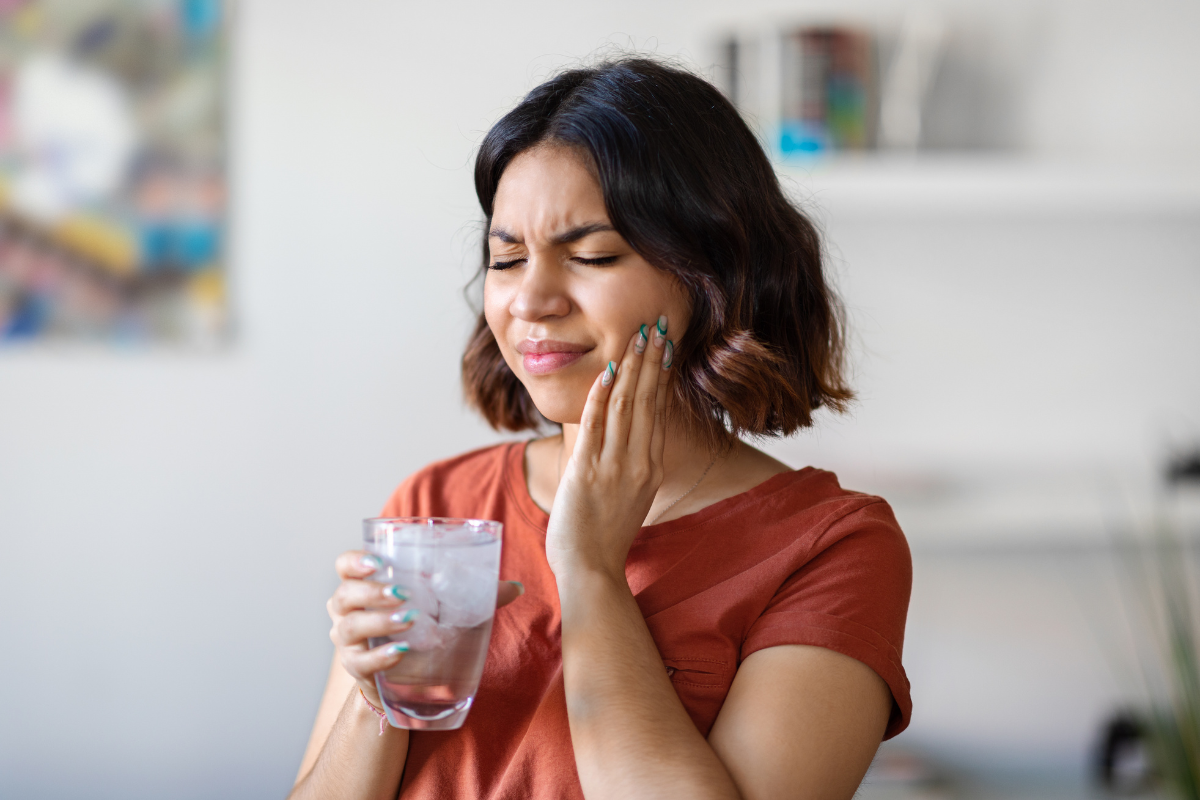
- Increased sensitivity to hot or cold temperatures
- Swelling in the cheek, jaw, or gums
- Fever combined with tooth pain
- Pus, drainage, or a persistent unpleasant taste
- A tooth that appears darker after an injury
- Difficulty opening your mouth
These symptoms may indicate a spreading infection that requires immediate medical care. NHS guidance also identifies swelling near the eye or neck and breathing or swallowing difficulty as reasons to seek hospital care.
What Should You Do Before Reaching the Dental Office?
The steps you take immediately after an injury can affect whether a tooth can be repaired. Stay calm, call an emergency dentist in Rocklin, and follow the instructions provided.
For a Knocked-Out Permanent Tooth
Pick up the tooth by its crown, not the root. If it is dirty, rinse it thoroughly with water without scrubbing it. Try to place it back into the socket if this can be done safely. Otherwise, keep it moist in milk or an ADA-accepted tooth preservation product and seek care immediately. The American Dental Association recommends keeping a knocked-out permanent tooth moist and getting to a dentist right away.
Do not reinsert a knocked-out baby tooth yourself. Doing so could damage the permanent tooth developing underneath.
For a Broken or Cracked Tooth
Rinse your mouth gently with warm water. Save the tooth fragments and apply a cold compress on the outside portion of your face. Avoid chewing on the affected side and do not place aspirin directly against the tooth or gums.
For Bleeding or Soft-Tissue Injuries
Apply clean gauze with firm, steady pressure. If bleeding remains heavy or does not stop, seek urgent medical attention. A cold compress may help control swelling around the lips or cheeks.
For Severe Tooth Pain
Rinse with warm water and floss carefully to remove trapped food. Do not use sharp objects around the painful area. Visit our dental office for an examination rather than relying on pain medication to mask ongoing symptoms.
How Is the Problem Diagnosed?
Every dental emergency requires an evaluation because similar symptoms can have different causes. The dentist will ask when the problem began, what triggered it, and whether your symptoms have changed. An examination and digital X-rays may be used to evaluate the tooth roots, surrounding bone, restorations, and signs of infection.
Share information about your medications, allergies, health conditions, recent injuries, and previous dental treatment. These details help the dentist identify an appropriate and safe treatment plan.
Which Treatments May Provide Relief?
Treatment depends on the source of the pain and the amount of damage. An emergency dentist may recommend:
- A dental filling for decay or limited structural damage
- A crown to protect a weakened or fractured tooth
- Root canal therapy for infected or inflamed tooth pulp
- Reattachment or bonding for certain broken teeth
- Repositioning and stabilization of an injured tooth
- Drainage of an abscess when clinically appropriate
- Tooth extraction when the tooth cannot be restored
Antibiotics are not a substitute for dental treatment. They may be prescribed when there are signs that a bacterial infection is spreading, but the source of the infection usually still requires treatment.
Get Prompt Dental Care in Rocklin
When pain or injury strikes, fast action can protect your comfort and oral health. Contact Pure Dentistry Rocklin to reach our emergency dentist in Rocklin, who can evaluate the problem and explain the next steps. Book an appointment for timely care and avoid letting a dental emergency become more difficult to treat.
Frequently Asked Questions(FAQ’s)
Can severe tooth pain go away without treatment?
Pain may temporarily decrease, but that does not confirm healing. Decay, infection, or nerve damage may continue without obvious symptoms. An examination can identify the cause and help prevent further damage.
How quickly should a knocked-out tooth be treated?
A knocked-out permanent tooth needs immediate attention. Keep it moist, avoid touching the root, and contact a dental provider at once. Faster treatment may improve the possibility of preserving the tooth.
Is facial swelling from a tooth always serious?
Facial swelling may indicate an infection that requires prompt assessment. Seek hospital care immediately if swelling affects breathing, swallowing, speaking, the eye area, or the neck. Do not wait for these symptoms to improve on their own.
Should I go to a hospital for a broken tooth?
Most broken teeth should be evaluated at a dental office. Go to a hospital if the injury includes heavy uncontrolled bleeding, loss of consciousness, suspected jaw fracture, or breathing difficulty. A dentist can address the damaged tooth itself.
Can I take pain medication before my visit?
Over-the-counter pain relievers may provide temporary comfort when taken as directed and medically appropriate for you. They do not treat infection or repair damage. Tell the dental team what medication you took and when.
What should I bring to an urgent dental visit?
Bring your identification, insurance details, medication list, and any tooth fragments or displaced restorations. Explain when the symptoms started and what caused the injury. This information helps the dental team assess the problem efficiently.