916-780-1000

How to Respond to a Dental Emergency and Protect Your Smile

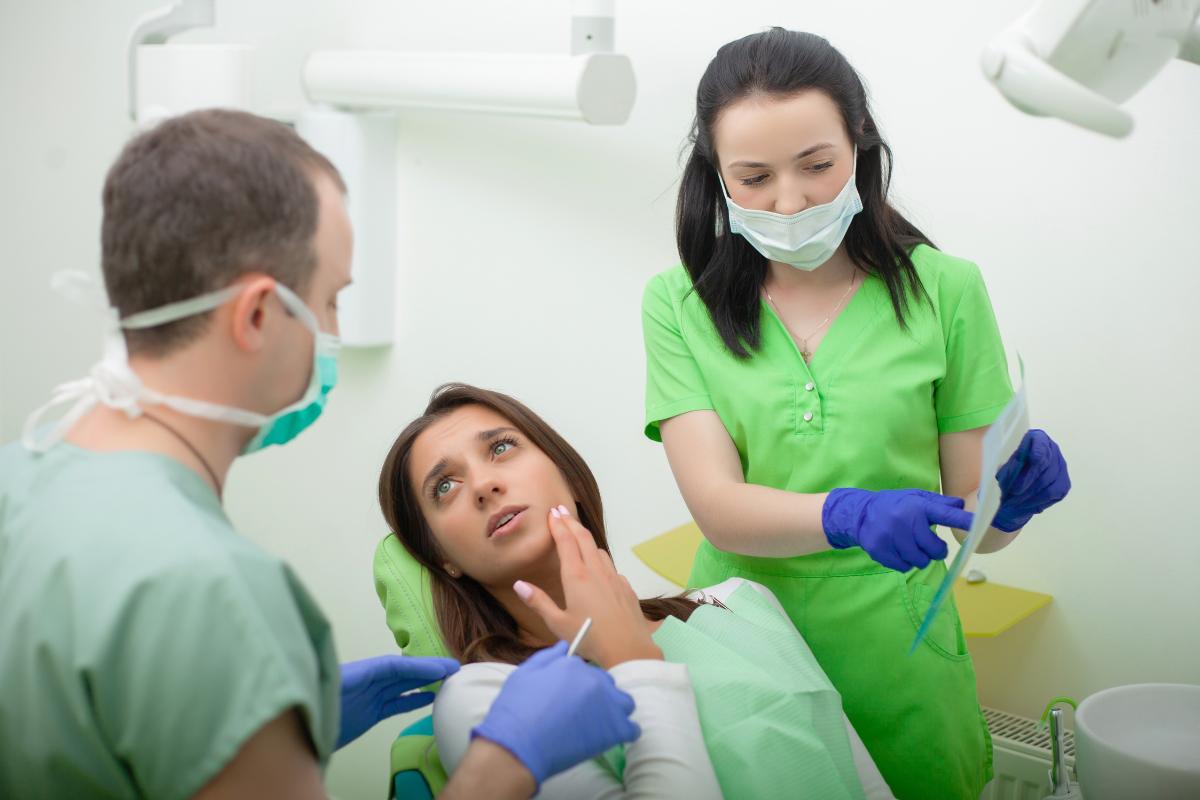
A sudden blow during a weekend soccer game at Johnson-Springview Park, an unexpected fall while hiking the Quarry Park trails, or an accidental bite into a hard piece of candy can turn an ordinary day into a critical medical situation. Physical injury to the teeth, gums, jaw, or surrounding soft tissues requires prompt evaluation to prevent long-term damage. Knowing how to respond in the first thirty minutes can mean the difference between saving a natural tooth and facing permanent tooth loss.
As Dr. A. Slate explains, immediate action and proper handling of a traumatized tooth dramatically increase the likelihood of full restoration. When sudden injuries occur, accessing prompt emergency dental care in Rocklin ensures that precise clinical protocols are implemented without delay.
At Pure Dentistry Rocklin, the focus is always on rapid pain relief, structural preservation, and restoring peace of mind.
Understanding Dental Trauma: Common Causes and Classifications
Dental trauma encompasses a wide spectrum of injuries affecting the oral cavity. These injuries range from minor outer enamel chips to severe full-tooth avulsions. Understanding the specific type of injury helps determine the immediate steps required before reaching a clinical setting.
Primary Triggers of Oral Injuries
- Sports Impacts: High-contact athletics, cycling, or skateboarding without custom mouthguards.
- Accidental Falls: Slipping on wet surfaces or losing balance during outdoor recreational activities.
- Masticatory Trauma: Biting down unexpectedly on hard items like ice, hard candy, or unpopped popcorn kernels.
- Vehicular Accidents: Sudden physical impacts resulting in facial contact with steering wheels or airbags.
Clinical Categories of Dental Trauma
- Enamel Fractures (Chipped Teeth): Minor surface breaks that may leave sharp edges but cause little to no pain.
- Cracked or Broken Teeth: Deeper structural fractures extending toward the inner dentin or dental pulp, causing severe temperature sensitivity.
- Luxation (Dislodged Teeth): Teeth that have been pushed sideways, deeper into the socket, or partially pulled out.
- Avulsion (Knocked-Out Teeth): The complete separation of a tooth from its bone socket, requiring urgent re-implantation within 30 to 60 minutes.
Action Plan: Immediate First Aid for Dental Trauma
The minutes immediately following an injury dictate the long-term prognosis of your oral health. Following standard, evidence-based first-aid procedures minimizes tissue death and reduces the risk of secondary infections.
1. What to Do for a Knocked-Out (Avulsed) Permanent Tooth
A knocked-out tooth is a critical priority. The periodontal ligament cells attached to the root surface begin to die quickly when exposed to dry air.
- Handle Only by the Crown: Never touch the sensitive root tissue. Touch only the smooth upper surface used for chewing.
- Rinse Gently: If the tooth is dirty, rinse it briefly under cold water or milk. Do not scrub, use soap, or use chemical cleaners.
- Attempt Re-insertion: If possible, place the tooth gently back into its socket and bite down lightly on clean gauze to hold it steady.
- Maintain Cell Hydration: If re-insertion is impossible, keep the tooth moist by placing it in a container of cold milk or a dedicated cell-preservation solution. Water is a poor preservation liquid because it causes root cells to swell and burst.
2. Managing Fractured, Chipped, or Cracked Teeth
When a tooth breaks, smooth dentin or delicate nerve tissue becomes exposed to bacteria and temperature fluctuations.
- Collect Tooth Fragments: Locate any broken pieces, store them in clean milk or saline, and bring them to your appointment.
- Cleanse the Oral Cavity: Swish gently with lukewarm salt water to wash away debris and disinfect the area.
- Protect Soft Tissues: Place a piece of orthodontic wax or sugar-free chewing gum over any remaining jagged edges to prevent cuts to your tongue or cheeks.
3. Controlling Soft Tissue Bleeding and Facial Swelling
Trauma often involves severe bleeding to the lips, tongue, or inner cheek linings.
- Apply Direct Pressure: Press a clean cotton pad or gauze square directly against the bleeding area for 15 to 20 minutes.
- Reduce Swelling: Place an ice pack wrapped in a soft towel against the outside of the cheek for 10-minute intervals.
- Avoid Aspirin: For discomfort, use ibuprofen or acetaminophen. Avoid taking aspirin immediately after an injury, as it thins the blood and can prolong bleeding.
Dr. A. Slate emphasizes that even if an injury seems minor on the surface, internal root fractures or hidden pulp damage can progress silently. An immediate clinical evaluation helps detect underlying cracks before irreversible nerve damage develops.
Professional Interventions: How Emergency Dentistry Saves Teeth
Self-care measures stabilize your mouth, but clinical care fixes the underlying damage. Utilizing professional emergency dentistry in Rocklin gives patients access to advanced digital diagnostic imaging and restorative solutions designed to preserve natural tooth structure.
When you visit our dental office, our care team performs a comprehensive trauma assessment:
- Digital Radiographic Imaging: High-resolution digital X-rays reveal root fractures, bone displacement, and jaw fractures that are invisible during a visual check.
- Flexible Splinting: Dislodged or re-implanted teeth are stabilized by attaching a thin wire splint to neighboring stable teeth, allowing the surrounding ligament tissue to heal over several weeks.
- Endodontic Therapy: If trauma damages the pulp tissue inside the tooth, root canal treatment removes the injured nerve, eliminates pain, and seals the internal canals against future bacterial invasion.
- Biocompatible Restorations: Advanced composite bonding or custom ceramic crowns rebuild broken tooth enamel, restoring full bite function and a seamless appearance.
Preventing Dental Injuries: Proactive Protection Strategies
While not every accident can be foreseen, taking preventative precautions significantly lowers your risk of severe oral injury.
- Wear Athletic Mouthguards: Custom-fitted mouthguards offer far superior impact distribution compared to generic store-bought options.
- Avoid Oral Hardships: Never use teeth as tools to open packages, cut tape, or crack nuts. Avoid chewing on hard objects like ice cubes or pen caps.
- Childproof Living Spaces: Secure rug edges and pad sharp furniture corners to protect toddlers who are learning to walk.
- Maintain Routine Checkups: Regular dental visits keep enamel strong and help identify hidden structural weaknesses before minor stress cracks become major fractures.
Protect Your Smile with Fast, Professional Care
Dental accidents are stressful, but taking prompt action protects your health, relieves severe discomfort, and preserves your natural smile. Having a trusted, reliable local dental team makes all the difference when unexpected trauma occurs.
If you or a family member suffers an unexpected oral injury, do not wait for the pain to intensify. Seek reliable emergency dentistry in Rocklin immediately to receive gentle, high-quality care when every minute counts. Contact our dental office in Rocklin today to book an appointment and ensure your smile receives the comprehensive protection it deserves.
Frequently Asked Questions (FAQ’s)
What should I do immediately if a tooth is completely knocked out?
Pick up the tooth by its top crown without touching the root surface. Gently rinse away dirt with cold milk or water, try re-inserting it into the socket, or store it in a container of cold milk. Contact a dental professional right away, as re-implantation must occur within 30 to 60 minutes for the best chance of success.
Can a cracked or chipped tooth heal on its own?
Enamel contains no living cells and cannot regenerate once broken. While minor surface chips may not hurt immediately, deeper cracks can expose internal nerve tissue to bacteria, leading to severe pain and infection. Prompt evaluation allows a professional to seal the crack with bonding or a crown before further structural damage occurs.
How do I know if my condition requires urgent clinical care?
Uncontrolled bleeding, severe throbbing pain, visibly dislodged or loose teeth, exposed root canals, and facial swelling all require immediate attention. If you experience trouble breathing, difficulty swallowing, or a suspected jaw fracture, seek emergency medical care immediately.
What is the best way to handle a severe toothache after physical impact?
Rinse your mouth with warm salt water to clean the area, apply an ice pack to the cheek to reduce swelling, and take over-the-counter pain medication as directed. Avoid placing aspirin directly against the gums, as this causes tissue burns. Schedule an urgent professional assessment to evaluate potential internal nerve injuries.
Why is milk recommended for storing a knocked-out tooth?
Milk has a balanced pH level and contains proteins, sugars, and essential fluids that keep the delicate cells on the tooth root alive. Plain tap water causes these sensitive cells to swell and burst, significantly reducing the chances of successful reimplantation.