
916-780-1000

Everything You Need To Know About Dental Implants

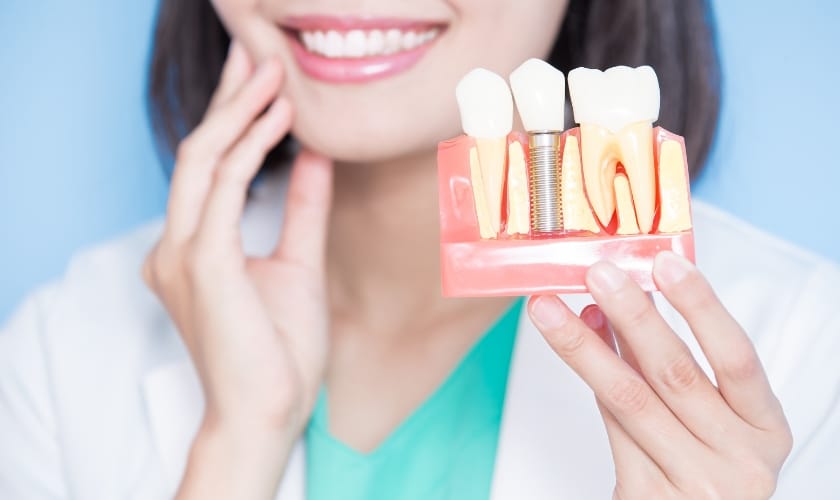
Are you tired of hiding your smile because of missing teeth? Are dentures or bridges not providing the comfort and stability you desire? If so, then dental implants might just be the solution for you! Dental implants are a revolutionary option that can restore your confidence and give you back your radiant smile. In this blog post, we will delve into everything you need to know about dental implants – from what they are to their types and advantages. So, let’s dive right in and discover how dental implants can change your life for the better!
What Are Dental Implants?
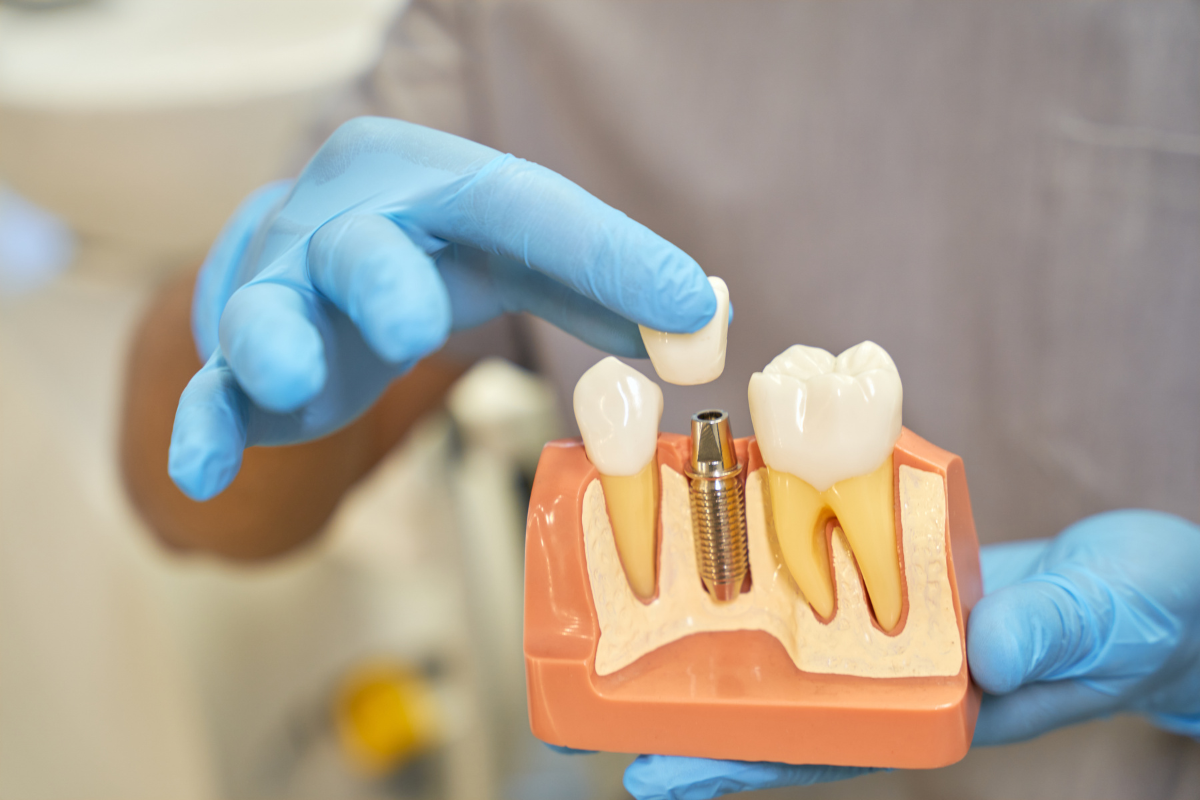
Dental Implants are artificial tooth roots that are surgically placed into your jawbone. Made of titanium, these implants provide a strong foundation for replacement teeth or dental prosthetics. This means that whether you’re missing one tooth or multiple teeth, dental implants can offer a permanent solution.
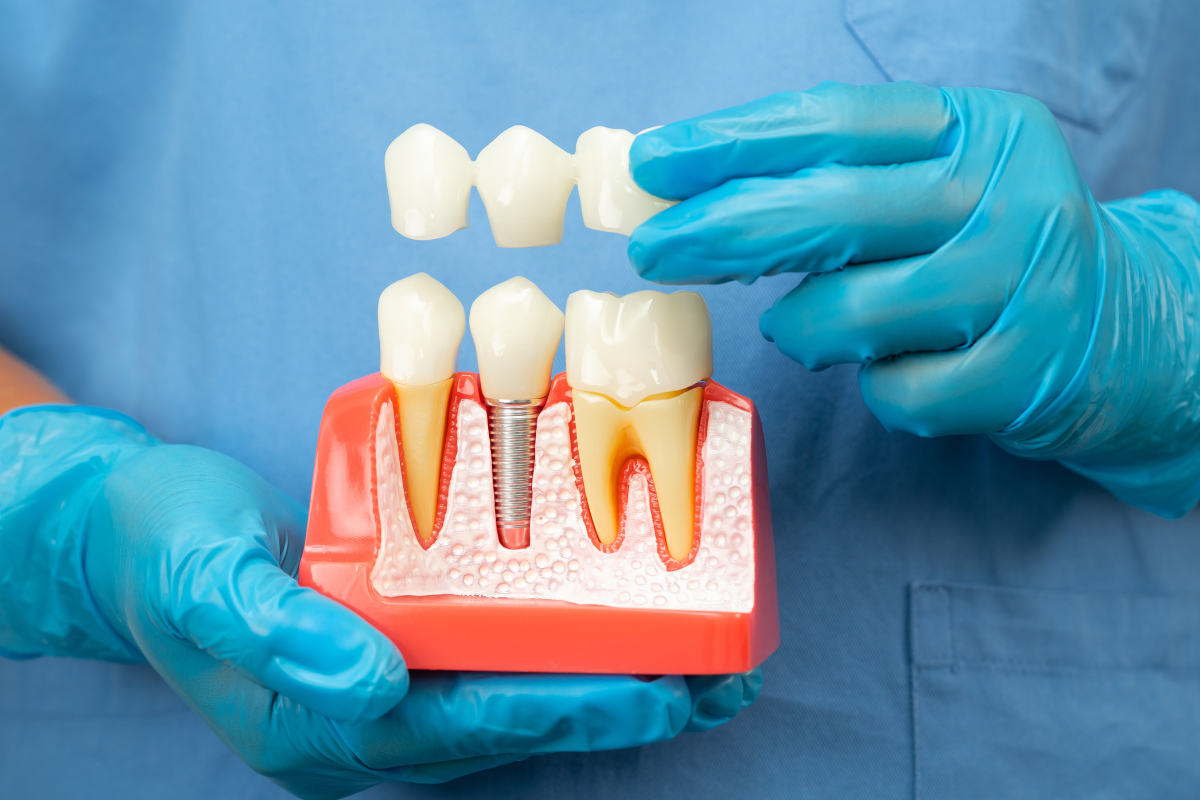
The process of getting dental implants typically involves several stages. First, the implant is inserted into the jawbone and allowed to fuse with it over time in a process called osseointegration. Once this fusion has occurred, an abutment – a connector piece – is attached to the implant to hold the replacement tooth securely in place. A custom-made crown or denture is affixed onto the abutment to complete your new smile!
Dental implants have become increasingly popular due to their natural look and feel as well as their durability. Unlike removable dentures or bridges which may shift or become loose over time, dental implants function just like real teeth. They allow you to eat your favorite foods without restrictions and speak with confidence knowing that your teeth will stay firmly in place.
Furthermore, dental implants also help preserve oral health by preventing bone loss in the jaw area where teeth are missing. When a tooth is lost, the surrounding bone tends to deteriorate because it no longer receives stimulation from chewing forces. Dental implants stimulate and maintain healthy bone growth, ensuring long-term stability for both adjacent natural teeth and the overall facial structure.
Types Of Dental Implants
When it comes to dental implants, there are several different types that can be used depending on your specific needs and condition. Let’s explore some of the most common types:
1. Endosteal Implants: These are the most commonly used dental implants. They are surgically placed directly into the jawbone and act as artificial tooth roots. Once they have fully integrated with the bone, a crown or bridge can be attached.
2. Subperiosteal Implants: Unlike endosteal implants, subperiosteal implants are placed on top of the jawbone but beneath the gum tissue. This type is ideal for patients who do not have enough healthy natural bone or cannot undergo a bone augmentation procedure.
3. All-on-4 Implants: This innovative technique allows for a full arch restoration using just four strategically placed implants per arch. It provides a stable foundation for dentures, offering improved stability and functionality compared to traditional removable dentures.
4. Mini Implants: As their name suggests, mini implants are smaller in diameter than standard implants. They offer an alternative solution for patients with limited bone structure who may not qualify for traditional implant placement.
Advantages Of Dental Implants
When it comes to replacing missing teeth, dental implants offer a number of advantages that make them an appealing option. One major advantage is their durability. Unlike other tooth replacement options, such as dentures or bridges, dental implants are designed to be a permanent solution. Made from sturdy titanium material, they fuse with the jawbone and provide a strong foundation for artificial teeth.
Another advantage of dental implants is their natural appearance and feel. Since the implant posts are surgically placed in the jawbone, they mimic the function and aesthetics of natural teeth. This means you can eat your favorite foods without worrying about discomfort or slippage.
Furthermore, dental implants help maintain bone health. When a tooth is lost, the underlying jawbone can deteriorate over time due to lack of stimulation. However, dental implants prevent this by stimulating the bone just like natural teeth do.
Conclusion
In this article, we have explored the world of dental implants and learned everything there is to know about them. Dental implants are a revolutionary solution for replacing missing teeth and restoring smiles. They offer numerous advantages over traditional tooth replacement options such as bridges and dentures. While dental implant procedures require careful planning and involve some recovery time after surgery, their long-term benefits make them well worth it for many individuals seeking tooth replacement options.
If you’re considering getting dental implants, it’s essential to consult with a qualified dentist or oral surgeon who specializes in implantology. They will evaluate your specific situation and determine if you’re a suitable candidate for this treatment option.