
916-780-1000

How Dental Implants Work for a Permanent Tooth Replacement Solution

When a tooth is lost, it affects more than just appearance. Missing teeth often lead to bone loss, difficulty chewing, and even shifting of nearby teeth. Thankfully, modern dentistry offers a permanent solution, known as dental implants. Unlike removable dentures or traditional bridges, implants are designed to look, feel, and function like natural teeth.
However, do you know why this procedure is considered to be a perfect tooth replacement? Read this blog till the end for comprehensive knowledge.
How Missing Teeth Affect Your Health?
Losing a tooth isn’t just about looks; it can cause other problems. Gaps cause nearby teeth to shift, disrupting your bite and straining your jaw. Over time, this misalignment leads to headaches, uneven wear, and painful chewing problems.
Missing teeth also accelerate bone loss in the jaw. Without tooth roots to stimulate bone tissue, the jawbone shrinks, changing facial shape and making you look older. This silent process can begin within months, leaving long-term consequences if untreated.
Beyond appearance, tooth loss affects daily health. Chewing becomes difficult, leading many people to avoid nutritious foods. Speech can change, and confidence suffers. These effects cause many patients in the Greater Sacramento area to seek a permanent solution like dental implants in Rocklin.
Why Implants Are Considered a Permanent Solution?
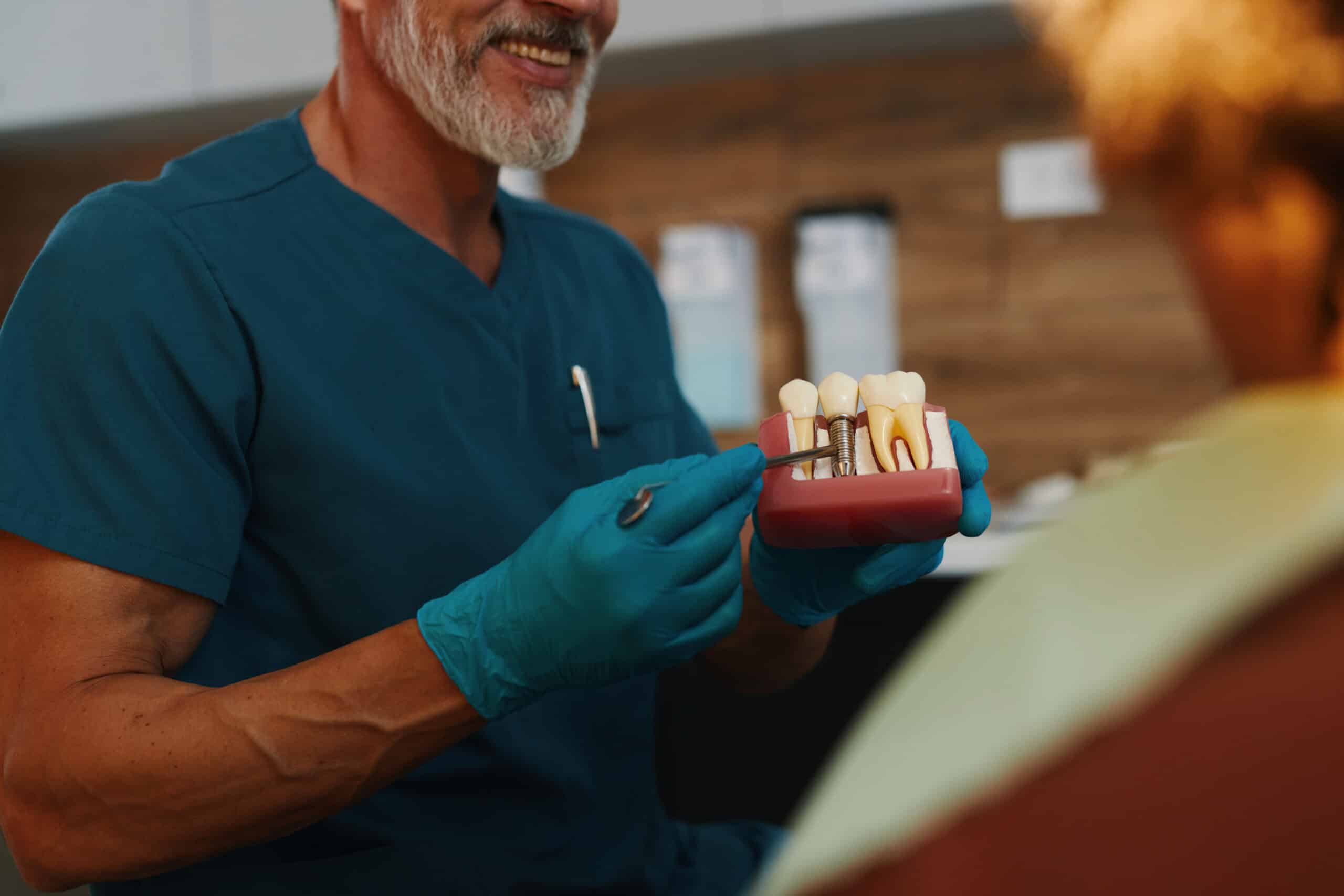
Unlike dentures that may slip or bridges that rely on surrounding teeth, implants replace the entire tooth structure, from root to crown. As they integrate with the jawbone, they prevent bone deterioration and can last for decades with proper care. The American Dental Association notes that implants have one of the highest success rates among tooth replacement options.
How the Implant Procedure Works?
Whether you opt for dental implants in Rocklin or anywhere else, being anxious about the procedure is common. Here is what you can expect:
Step 1: Evaluation and Planning
The process begins with a thorough consultation, including digital imaging and oral exams. This step ensures the jawbone is healthy enough to support an implant.
Step 2: Implant Placement
The titanium post is placed directly into the jawbone under local anesthesia. Even though healing time may vary, most patients resume normal activities quickly.
Step 3: Healing and Integration
Over the next few months, the bone naturally fuses to the implant. This step is crucial for stability and long-term success.
Step 4: Attaching the Abutment and Crown
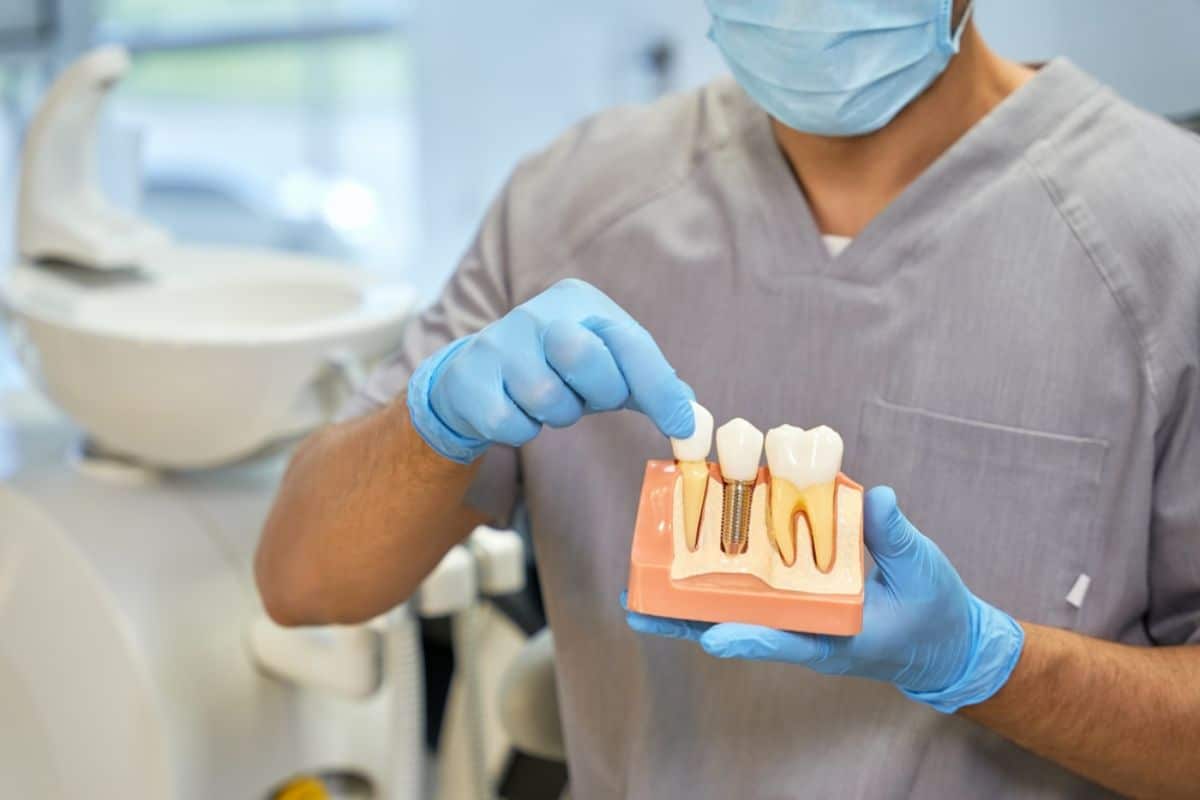
Once the implant has bonded with the bone, an abutment is added. Finally, a porcelain crown is placed, restoring both beauty and function.
Benefits of Choosing Implants
When it comes to the perks of choosing this dental restoration, here are some of the most significant benefits:
- Durability: With proper care, implants can last 20 years or more.
- Natural appearance: They blend seamlessly with natural teeth.
- Improved function: Chewing and speaking feel normal again.
- Bone preservation: They stimulate the jawbone, preventing loss of density.
- Confidence boost: Restoring a complete smile improves self-esteem.
Is this Procedure Right for You?
Ideal candidates are individuals with healthy gums and sufficient bone density. Even if bone loss has occurred, treatments like bone grafting can make implants possible. Patients with uncontrolled diabetes, heavy smoking habits, or untreated gum disease may need additional care before placing these artificial tooth roots.
Explore this Permanent Way to Replace Missing Teeth
Implants are still considered the best option for permanent tooth replacement. They restore function, protect bone health, and provide unmatched durability. If you are ready to check your credibility for the procedure or want to learn more about this durable procedure, schedule a consultation with our implant specialist at Pure Dentistry Rocklin. A restored smile that lasts forever is closer than you think.
FAQs About Dental Implants
1. How long do dental implants last?
With proper care, these oral appliances can last 20 years or more. Many patients keep their implants for life when maintaining good oral hygiene and visiting the dentist regularly.
2. Are implants painful?
The procedure is done under local anesthesia, so patients typically feel minimal discomfort. Mild soreness may follow, but it usually resolves in a few days with simple pain relief.
3. How much do implants cost?
Costs vary depending on the number of implants, bone condition, and additional procedures. While implants can be more expensive than bridges or dentures, their durability makes them a long-term investment.
4. Who is a good candidate for implants?
Most adults with healthy gums and sufficient jawbone are good candidates. Even patients with bone loss may qualify after bone grafting or sinus lift procedures. A consultation determines the best approach.
5. How do implants compare to dentures?
Unlike dentures, implants are fixed, stable, and function like natural teeth. They prevent bone loss, allow comfortable chewing, and don’t require adhesives. Dentures may slip or need replacement, while implants offer lasting results.