
916-780-1000

Why Choosing the Right Dentist Matters for Your Overall Oral Health

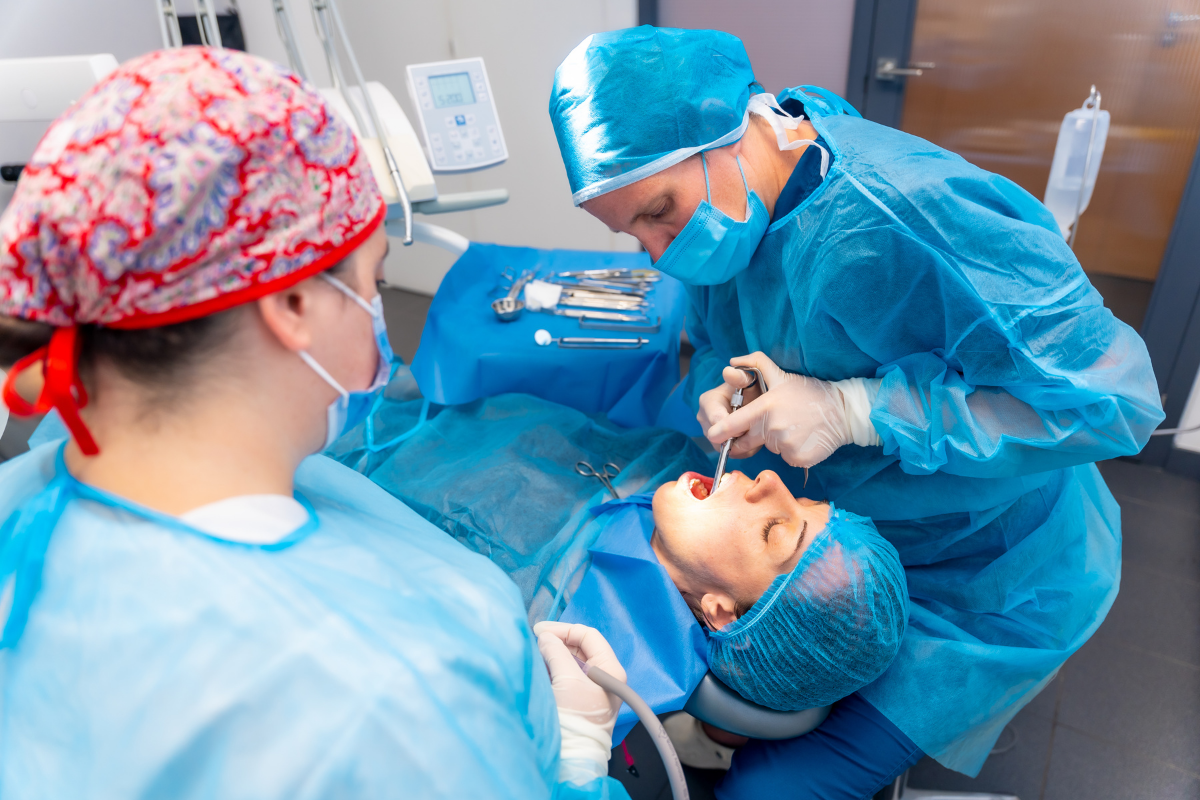
Choosing a dentist is an important health decision. Dental care involves much more than treating a tooth when it hurts. The dental team you choose can influence how effectively oral health problems are prevented, how quickly changes are identified, and how confidently you make decisions about treatment.
A strong relationship with the dental professional also creates continuity. When the same dental team understands your oral health history, previous treatments, concerns, and goals, subtle changes may be easier to recognize. This can support preventive care and help reduce the likelihood that manageable problems develop into more complicated conditions.
At Pure Dentistry Rocklin, Dr. Darcé A. Slate approaches dental care with this long-term perspective in mind. Our goal is to help patients understand their oral health, address concerns appropriately, and make informed decisions about maintaining their smiles.
Why Does Choosing the Right Professional Matter?
The right dental practice does more than provide procedures. It serves as an ongoing partner in maintaining the health of your teeth, gums, bite, and other oral structures.
Regular dental care can help identify cavities, gum problems, damaged restorations, tooth wear, and other concerns before they become more difficult to manage. Just as importantly, your dental practitioner can explain why a problem is occurring and what you can do at home to reduce future risks.
For patients looking for a dentist in Rocklin, choosing a practice that emphasizes prevention, communication, and continuity can provide a stronger foundation for long-term oral health.
Your dental practitioner should help you understand three fundamental questions:
- What is happening with my oral health?
- Why does it matter?
- What are my reasonable treatment or preventive options?
Clear answers allow you to participate actively in decisions about your care.
Preventive Dental Care Can Protect Your Smile
One of the most valuable aspects of having a consistent dental provider is preventive care.
Many dental conditions develop gradually. Early tooth decay, for example, may not cause noticeable pain. Gum disease can also progress quietly, particularly in its initial stages. Waiting until symptoms become severe can limit treatment options.
Routine dental appointments allow the dental team to monitor changes over time.
Preventive visits may involve:
- Dental examinations
- Professional teeth cleaning
- Periodontal evaluations
- Dental X-rays when appropriate
- Evaluation of existing fillings, crowns, or other restorations
- Bite and tooth-wear assessment
- Oral hygiene guidance
- Screening for changes in oral tissues
The specific care recommended should reflect the individual patient’s oral health rather than follow a one-size-fits-all approach.
Early Detection Can Make Dental Problems Easier to Address
One reason regular dental examinations matter is that dentists can identify changes patients may not notice themselves.
A small cavity may initially cause no discomfort. A cracked tooth might produce only occasional sensitivity. Early gum inflammation may appear as minor bleeding during brushing.
These signs can be easy to dismiss.
During an examination, however, your dental practitioner evaluates the condition of your teeth, gums, restorations, and bite. Diagnostic imaging may provide additional information about areas that cannot be evaluated through visual examination alone.
Earlier diagnosis does not automatically mean treatment is necessary in every situation. Some findings may simply need monitoring. The important point is that you have the information needed to make an appropriate decision.
Your Oral Health Should Be Considered
Dental problems rarely exist entirely in isolation.
A painful tooth, for instance, may involve decay, a fracture, an infection, bite pressure, or another underlying cause. Replacing a missing tooth may require consideration of the neighboring teeth, gum health, available bone, bite, and overall treatment goals.
This is why comprehensive evaluation matters.
When you visit a dentist in Rocklin, your care should focus not only on the immediate symptom but also on factors that may affect your oral health over time.
A comprehensive approach may consider:
- Tooth structure
- Gum and supporting tissue health
- Previous dental work
- Bite relationships
- Missing teeth
- Tooth wear or grinding
- Daily oral hygiene
- Individual risk factors
Good Communication Is an Essential Part of Dental Care
Patients should understand what is happening before agreeing to dental treatment.
Your dental practitioner should be willing to explain findings in understandable language, discuss available options, and answer questions. When appropriate, photographs or dental X-rays can also help patients understand what the professional sees.
Effective communication becomes particularly important when several treatment approaches are possible.
Questions worth asking include:
- Why are you recommending this treatment?
- What happens if I wait?
- Are there other reasonable options?
- What should I expect during treatment?
- How should I care for the area afterward?
- What can I do to prevent the problem from returning?
A dental appointment should leave you better informed about your oral health, not more confused.
The Right Dentist Can Help You Build Better Daily Habits
Most oral health maintenance happens outside the dental office.
Brushing, flossing, dietary choices, and other daily habits play significant roles in controlling plaque and protecting teeth and gums. However, generic advice may not address every patient’s needs.
Dental professionals can identify areas you frequently miss and recommend practical changes.
You may need guidance about:
- Brushing technique
- Cleaning between teeth
- Caring for dental restorations
- Managing plaque around crowded teeth
- Protecting teeth from excessive wear
- Choosing appropriate oral hygiene products
- Caring for replacement teeth
Small improvements practiced consistently can have a meaningful impact over time.
Oral Health Is Connected to Your Overall Well-Being
Your mouth is part of your body, so dental care should not be viewed separately from general health.
Certain medical conditions, medications, and lifestyle factors can affect oral tissues. Dry mouth, for example, can increase cavity risk because saliva plays an important role in protecting teeth. Changes in general health may also influence treatment planning or how dental procedures are managed.
Likewise, oral infections and inflammation deserve appropriate attention.
Your dental specialist should therefore maintain an updated health history and understand medications or medical changes that could affect dental treatment. This is another reason an ongoing relationship with a dental practice can be valuable.
When Should You Schedule a Dental Appointment?
Do not assume that you should schedule a dental visit only when something hurts.
Regular preventive appointments should form the foundation of dental care. The appropriate recall schedule can vary according to your oral health and individual risk factors, so your dental practitioner can recommend an interval suited to your needs.
You should also contact a dental office when you notice changes such as:
- Persistent tooth pain
- Increased sensitivity
- Bleeding or swollen gums
- A chipped or cracked tooth
- A loose restoration
- Changes in your bite
- Difficulty chewing
- Persistent mouth sores or unusual oral changes
- Swelling around a tooth or gum
Some symptoms require more prompt evaluation than others. When you are uncertain, contacting the dental office allows the team to advise you on the appropriate next step.
Build a Long-Term Relationship With Your Dental Team
The strongest dental care is often proactive rather than reactive. Instead of moving from one dental emergency to another, regular examinations and preventive care allow potential problems to be identified and managed more systematically.
Your dental team can also adapt recommendations as your needs change. What your smile requires today may differ several years from now.
Choosing a dentist in Rocklin who takes time to understand your history, explain findings, and focus on long-term oral health can make dental decisions easier and more informed.
Take the Next Step Toward a Healthier Smile in Rocklin
Choosing the right professional is ultimately about finding a dental home where you feel informed, comfortable, and confident about your care. Consistent preventive visits, clear communication, early evaluation of concerns, and individualized treatment planning can all contribute to healthier teeth and gums over the years.
At Pure Dentistry Rocklin, we are committed to helping patients understand their oral health and make informed decisions about their smiles. If you are due for an examination or have a dental concern, schedule an appointment with our team and take a proactive approach to your long-term oral health.
Frequently Asked Questions (FAQ’s)
1. How do I know if I have chosen the right dentist?
Look for clear communication, thorough examinations, preventive guidance, and understandable treatment recommendations. You should feel comfortable asking questions and discussing alternatives. A productive relationship should help you feel informed about your oral health decisions.
2. How often should I visit the dentist for routine care?
The appropriate schedule depends on your oral health, cavity risk, gum condition, medical history, and previous dental treatment. Your dentist can recommend an examination and cleaning schedule based on your individual needs rather than a universal timetable.
3. Why are regular dental checkups important if my teeth feel fine?
Many oral health problems can develop without noticeable early symptoms. Routine examinations allow dentists to look for tooth decay, gum changes, damaged restorations, abnormal wear, and other concerns before they potentially become more difficult to manage.
4. What should I ask a new dentist during my first appointment?
Ask about your current oral health, areas requiring monitoring, preventive recommendations, treatment priorities, and available options. You can also discuss previous dental concerns, anxiety, medications, health changes, and personal goals for maintaining or improving your smile.
5. Can changing dentists affect the continuity of my dental care?
Changing practices does not prevent quality care, but transferring previous records and dental images can provide useful historical information. These records help your new dentist understand earlier treatment, compare changes, and develop an informed plan for ongoing care.
6. What makes preventive dental care so important?
Preventive care focuses on maintaining healthy teeth and gums while identifying developing concerns early. Examinations, professional cleanings, diagnostic imaging when appropriate, and personalized home-care guidance can help patients reduce avoidable dental problems and preserve oral health.
7. Should I choose a dentist based only on location and convenience?
Convenience matters because accessible care can make regular visits easier, but it should not be your only consideration. Evaluate communication, preventive philosophy, examination thoroughness, available services, treatment explanations, and whether the practice meets your long-term dental needs.