
916-780-1000

Permanent Tooth Replacement Made Simple: Understanding Dental Implants

Losing a tooth means more than just an empty space in your smile. A missing tooth can affect how you eat, speak, maintain oral health, and feel about your appearance. While several tooth replacement options exist, modern dentistry has identified one solution that comes closest to replicating a natural tooth in both form and function: dental implants.
Many people spend months researching replacement options because they want a solution that feels secure, looks natural, and lasts. The challenge is separating marketing claims from clinical facts. Understanding how this tooth replacement procedure works and why they are considered the gold standard for replacing missing teeth can help you make a confident, informed decision.
At Pure Dentistry Rocklin, Dr. Darce A. Slate frequently helps patients restore missing teeth using advanced implant dentistry solutions. The information in this guide reflects the same educational approach we use during consultations, helping patients understand their options and choose the treatment that best supports their long-term oral health. If you are considering a permanent tooth replacement solution, we encourage you to schedule a personalized implant evaluation with our team.
According to the U.S. Centers for Disease Control and Prevention (CDC), complete tooth loss still affects millions of adults, particularly as they age. This emphasizes the need to replace missing teeth early, before tooth loss impacts nutrition, confidence, jawbone health, and overall quality of life. Thus, in this blog, you will get to know why these artificial tooth roots are considered to be your ideal tooth replacement.
Why Implants Are Often Seen as the Top Choice for Tooth Replacement
It is considered the most complete tooth replacement solution because they replace both the visible tooth and the root beneath the gums. This allows them to restore function, support bone health, and provide long-term stability.
Most traditional restorations replace only the crown portion of a missing tooth. Implants are different because they address the entire structure.
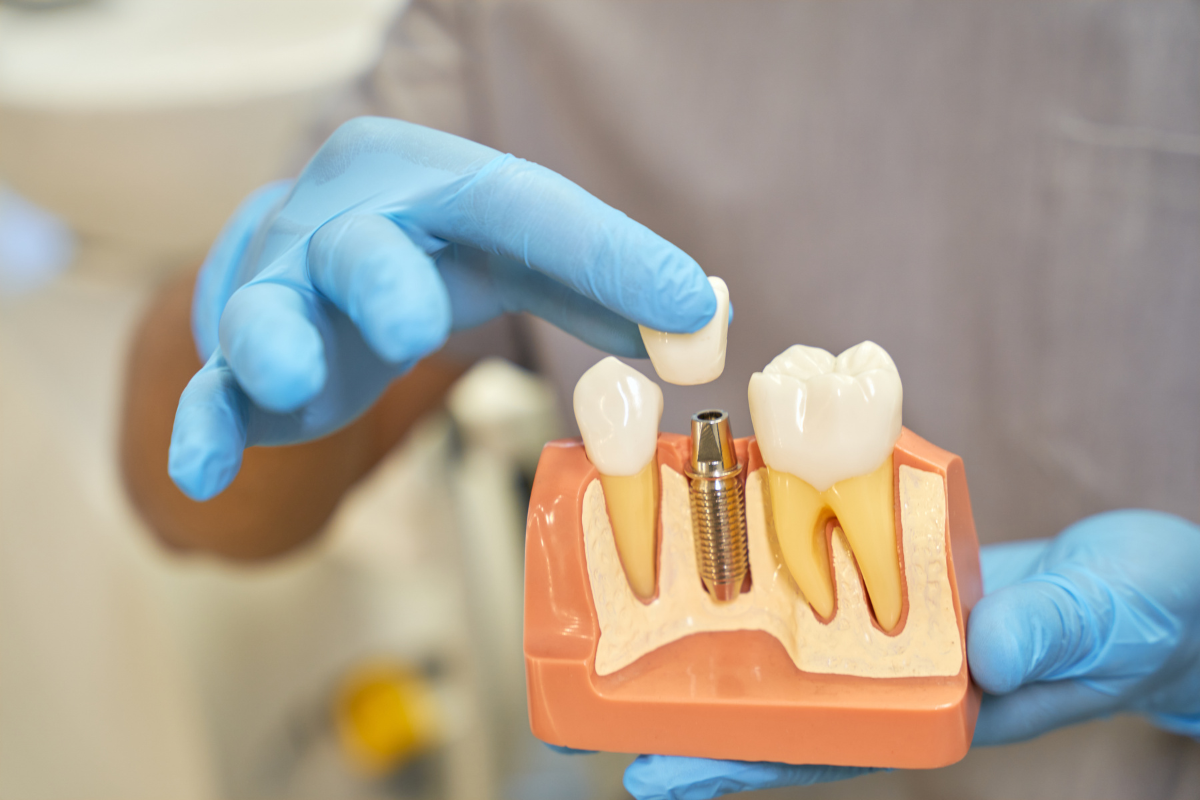
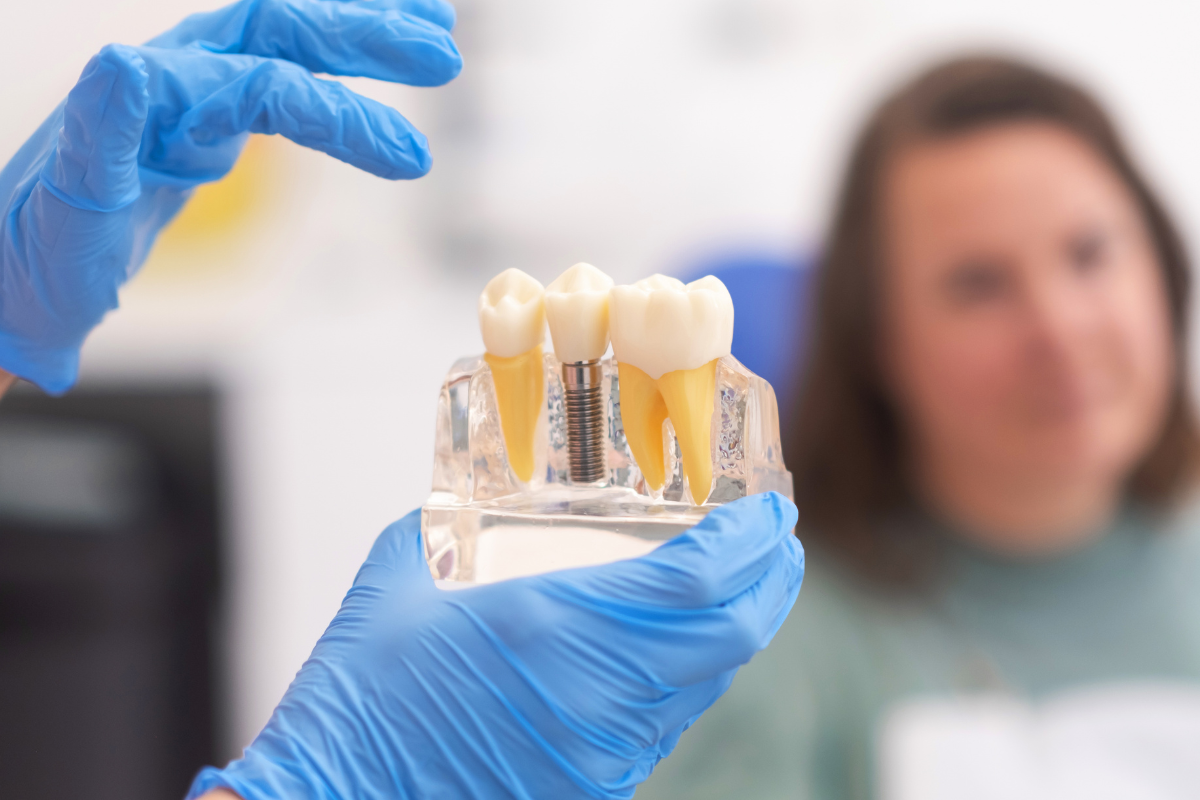
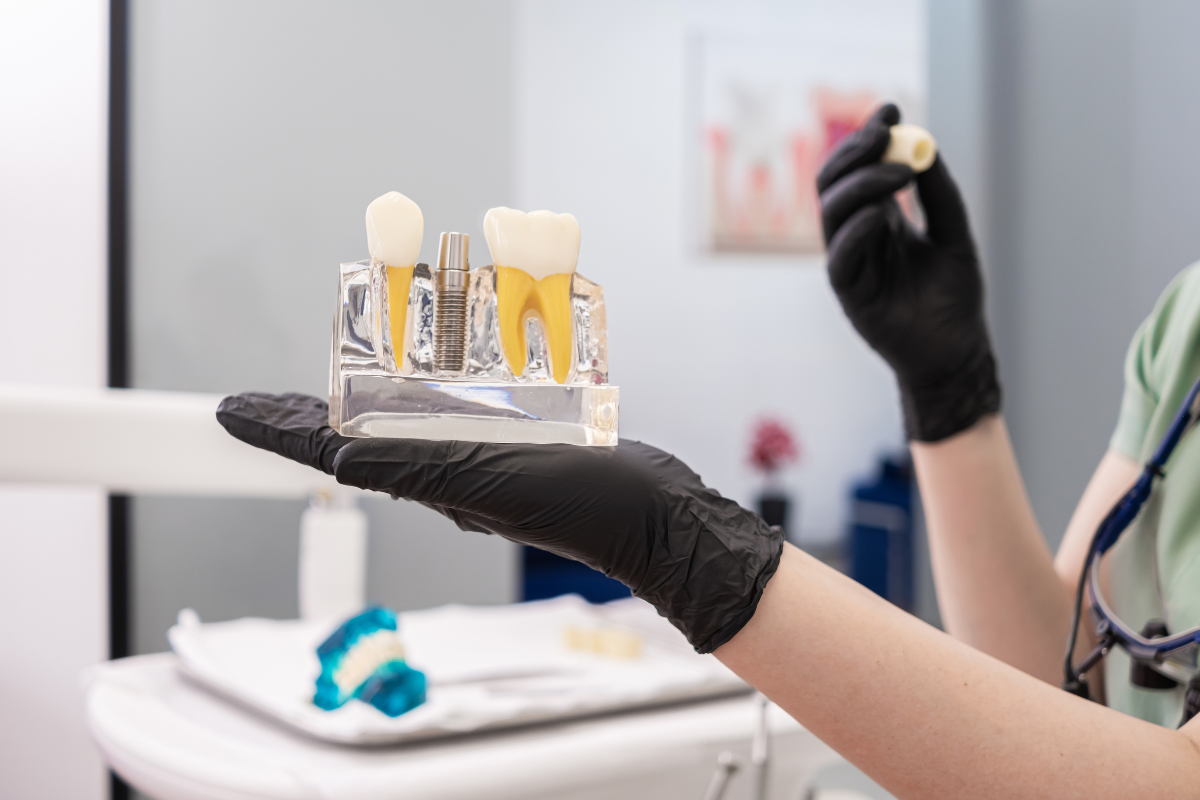
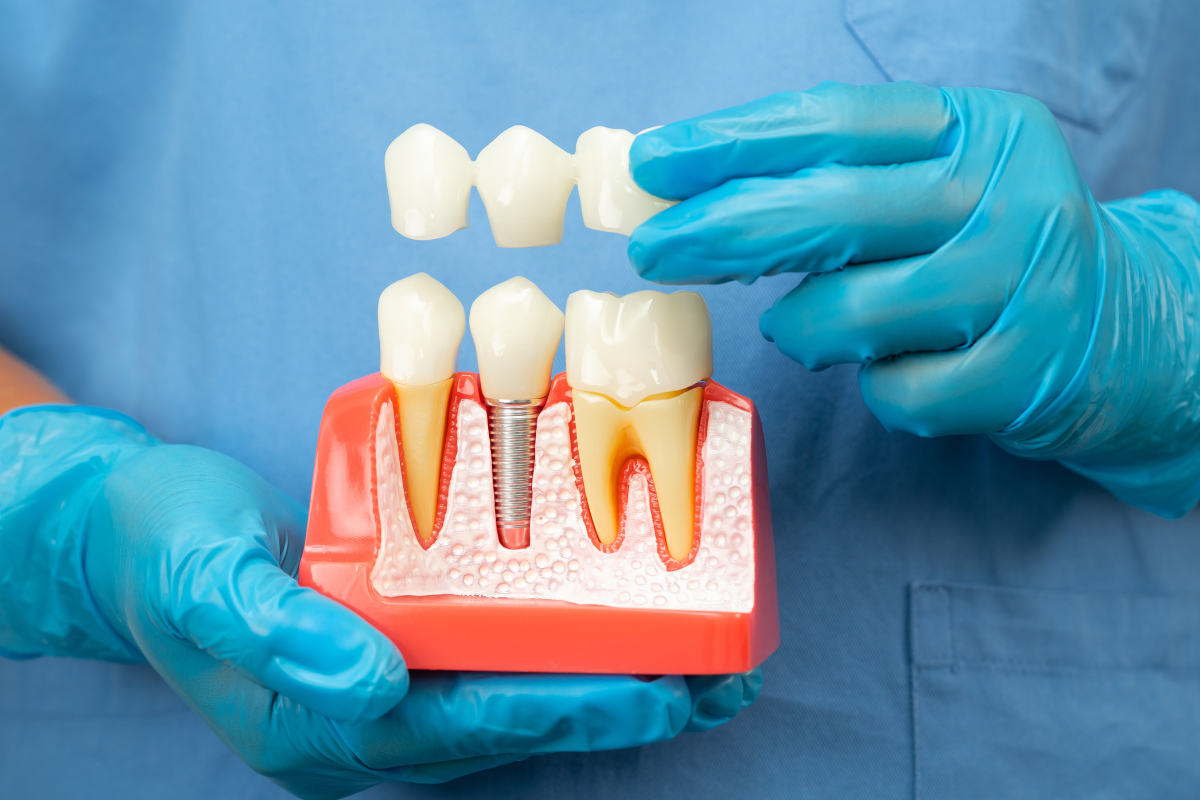
A dental implant consists of:
- A titanium implant post that functions as an artificial root
- An abutment that connects the restoration
- A custom dental crown designed to blend naturally with surrounding teeth
Once integrated with the jawbone, the implant creates a stable foundation that closely mimics the strength and function of a natural tooth.
This unique design is one reason implants have become the preferred solution for permanent tooth replacement.
What are the Consequences of Leaving a Missing Tooth Untreated?
A missing tooth can trigger a series of oral health changes that extend far beyond the visible gap. These changes often worsen gradually and may increase future treatment needs.
Many people assume a single missing tooth is primarily a cosmetic issue. In reality, the effects can impact the entire mouth.
Potential consequences include:
- Jawbone deterioration
- Shifting neighboring teeth
- Changes in bite alignment
- Increased wear on remaining teeth
- Difficulty chewing certain foods
- Speech challenges
- Higher risk of additional tooth loss
The jawbone is especially vulnerable because it no longer receives stimulation from the missing tooth root. Over time, the body begins resorbing the unused bone.
This process can affect facial support and create a prematurely aged appearance around the mouth.
Understanding the Implant Procedure
This procedure replaces the missing tooth root and stimulates the surrounding jawbone during everyday function. This helps maintain bone density while supporting a durable restoration.
The treatment process generally includes several stages.
Comprehensive Evaluation
A detailed examination determines bone quality, gum health, bite alignment, and overall candidacy for treatment.
Implant Placement
The titanium implant is precisely positioned within the jawbone.
Osseointegration
During healing, the implant naturally fuses with the surrounding bone through a process known as osseointegration.
Final Restoration
A specially designed crown is placed on top of the replacement tooth to finish the treatment.
As the implant becomes part of the jaw structure, many patients report that it eventually feels like one of their natural teeth.
What Types of Tooth Loss Can Dental Implants Treat?
This procedure can be used to replace a single missing tooth, several missing teeth, or an entire arch of teeth. Treatment is customized according to each patient’s needs.
Single Tooth Replacement
A single implant and crown can replace one missing tooth without affecting neighboring healthy teeth.
Multiple Missing Teeth
Implant-supported bridges can replace several adjacent missing teeth while providing excellent stability.
Full-Arch Tooth Replacement
Strategically placed implants can support a full-arch restoration for patients missing most or all teeth.
This flexibility allows implant dentistry to address a wide range of restorative needs while preserving as much healthy oral structure as possible.
Why Do Implants Feel More Like Natural Teeth?
An implanted tooth feels more natural because it is anchored within the jawbone rather than resting on the gums. This creates stability that closely resembles a natural tooth root.
Patients often notice benefits such as:
- Improved chewing confidence
- Better speech clarity
- No slipping or shifting
- No removable appliances
- No adhesive products
- Enhanced comfort during daily activities
Whether enjoying a meal with family, meeting friends for dinner, or exploring local favorites around the community, patients often appreciate being able to eat comfortably without worrying about movement or instability.
This everyday confidence is one of the reasons so many patients choose implant-supported restorations.
Are You a Suitable Candidate for the Implant Treatment?
Most healthy adults with missing teeth can be candidates for this procedure. Healthy gums and adequate jawbone support are typically the most important considerations.
You may qualify if you:
- Have one or more missing teeth.
- Have healthy gum tissue.
- Maintain good oral hygiene.
- Have sufficient bone support.
- Are seeking a long-term replacement option.
- Want improved chewing function and stability.
Even individuals who have experienced bone loss may still have treatment options available after a thorough evaluation.
Many patients exploring dental implants in Rocklin are surprised to learn they may qualify for treatment even after living with missing teeth for years.
Why Is Jawbone Preservation So Important?
Jawbone preservation is one of the most valuable long-term benefits of implants. Without tooth roots, the jawbone begins shrinking because it is no longer being stimulated.
Many patients focus on replacing the visible tooth.
However, preserving the supporting structures beneath the gums is equally important.
Maintaining healthy bones can help:
- Preserve facial structure
- Support neighboring teeth
- Maintain bite stability
- Improve long-term oral health
- Reduce future restorative challenges
Implants are currently the only tooth replacement solution designed to actively stimulate and preserve jawbone tissue.
What Contributes to Long-Term Implant Success?
Dental implant success depends on proper planning, precise placement, healthy tissues, and ongoing maintenance.
Several factors contribute to predictable outcomes:
Advanced Diagnostics
Modern imaging technology allows detailed treatment planning and accurate implant positioning.
Biocompatible Materials
Titanium has been extensively studied and is highly compatible with human bone.
Personalized Treatment Planning
Every smile is different. Customized treatment improves both function and aesthetics.
Preventive Maintenance
Routine dental examinations and professional cleanings help protect implant health for years to come.
Patients considering dental implants in Rocklin should understand that long-term success depends not only on the implant itself but also on the quality of planning and follow-up care.
Protect Your Smile With a Personalized Implant Evaluation
Tooth loss rarely remains an isolated problem forever. Over time, missing teeth can contribute to bone loss, shifting teeth, bite changes, and challenges with everyday function.
At Pure Dentistry Rocklin, we believe every patient deserves a treatment plan built around their unique oral health needs and goals. If you are considering a long-term solution for replacing missing teeth, visit our dental office to schedule a personalized diagnostic evaluation. A comprehensive assessment can determine whether dental implants are the right choice for your smile and help you understand the best path toward lasting oral health.
Frequently Asked Questions(FAQ’s)
Can a dental implant last a lifetime?
Dental implants are designed to be a long-term tooth replacement solution. With excellent oral hygiene and regular dental visits, many patients enjoy successful results for decades.
What is the success rate of dental implants?
Dental implants have a very high long-term success rate when properly planned and maintained. Success depends on factors such as oral health, bone support, and ongoing preventive care.
Are dental implants better than dentures?
Dental implants offer greater stability and help preserve jawbone health. Dentures remain effective for some patients, but implants often provide a more natural experience.
Can I get a dental implant years after losing a tooth?
Yes. Many patients receive implants years after tooth loss. A comprehensive evaluation can determine whether sufficient bone support remains or if additional treatment is needed.
Can smokers get dental implants?
Smoking may affect healing and increase certain risks. However, many smokers may still qualify for treatment after a detailed assessment and personalized treatment planning.
What happens if I never replace a missing tooth?
An untreated missing tooth can contribute to bone loss, shifting teeth, bite changes, and additional oral health concerns. Replacing the tooth helps protect long-term function and stability.
How many implants will I need?
The number of implants depends on how many teeth are missing and the type of restoration being planned. Your dentist will determine the most appropriate approach during your evaluation.