916-780-1000

How to Care for Your Dentures and Bridges: Tips and Tricks

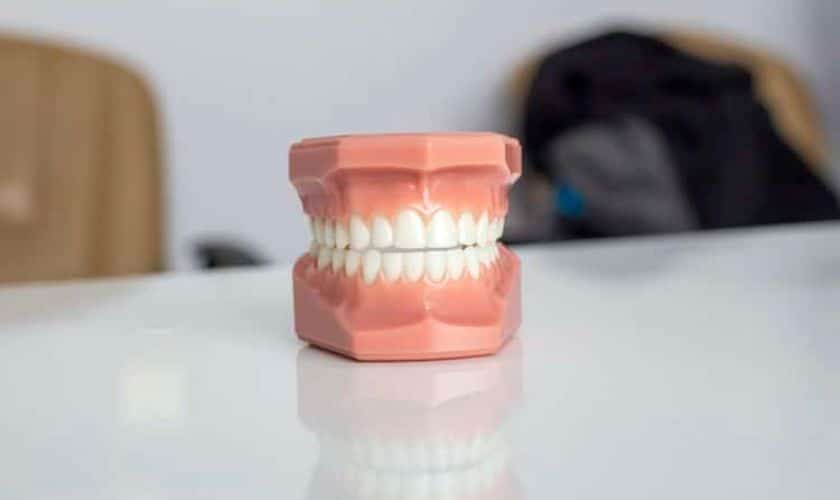
If you have dentures or bridges, then you know how important they are in helping you speak and eat properly. However, like any dental appliance, they require proper care to ensure their longevity and effectiveness. By following some simple tips and tricks on maintaining your dentures and bridges, you can keep them looking great while also keeping your mouth healthy. From cleaning techniques to product recommendations, we’ve got all the information you need to know in this comprehensive guide! So let’s jump right in!
How to clean dentures and bridges
Cleaning your dentures and bridges is essential to maintain good oral hygiene. The first step in cleaning them is to rinse them under running water, removing any food particles or debris. However, this alone isn’t enough to keep them clean.
Next, use a soft-bristled toothbrush and non-abrasive toothpaste specially formulated for dentures or bridges to gently brush all surfaces of the appliance. Be careful not to scrub too hard as it can damage the surface of the appliance.
It’s also important to clean your mouth thoroughly before putting your dentures or bridges back in place. This will help prevent bacteria from accumulating underneath the appliance.
If you’re unable to brush after every meal, consider carrying a travel-sized bottle of mouthwash with you throughout the day. It can provide an extra layer of protection against plaque buildup and bad breath.
Remember that harsh chemicals such as bleach or hot water should never be used on your dentures or bridges as they can cause irreparable damage. By following these simple cleaning tips regularly, you’ll ensure that your dental appliances last longer while keeping your mouth healthy!
What type of toothpaste to use
Choosing the right toothpaste is crucial in maintaining the longevity of your dentures and bridges. When looking for toothpaste, it’s important to select one that is specifically designed for oral appliances like dentures and bridges. Regular toothpaste can be too abrasive and may cause damage or scratches on your dental prosthetics.
Look for a non-abrasive toothpaste with a mild flavor. It should also contain fluoride to help prevent cavities and gum disease, which can negatively affect both natural teeth and dental prosthetics alike.
Avoid using whitening or tartar control toothpaste as they can be harsh on artificial teeth. Some ingredients found in these kinds of products can even react with the materials used in making your dentures or bridges, causing them to become discolored over time.
It’s best to consult with your dentist about what type of toothpaste would work best for you based on your specific needs. They may recommend certain brands or types that are safe and effective for use with dentures and bridges.
Remember not all toothpastes are created equal when caring for your dental prosthetics. By selecting the right kind of product, you’ll ensure that they stay clean, healthy, and last longer!
How often to brush dentures and bridges
Maintaining good oral hygiene is crucial when it comes to dentures and bridges. Regular brushing helps prevent plaque buildup, bad breath, and other dental problems. However, the frequency of brushing your dentures and bridges may vary depending on several factors.
It is recommended that you brush your dentures at least twice a day using a soft-bristled brush with non-abrasive toothpaste. Brushing removes food particles, stains, and bacteria that accumulate on the surface of dentures and bridges.
If you consume foods or drinks that stain easily such as tea or coffee, it’s advisable to rinse your mouth with water after consumption before brushing your teeth. This helps prevent staining which can be difficult to remove through regular cleaning methods.
Additionally, if you have any underlying medical conditions such as diabetes or gum disease that affect oral health, consult with your dentist about how often you should clean your dentures and bridges.
Cleaning your dentures regularly is essential to maintain their longevity and keep them looking great. By following these tips on how often to brush them correctly along with other necessary precautions for proper care will help improve overall oral health for years to come!
Soaking dentures and bridges
Soaking dentures and bridges is an essential part of their maintenance routine. It helps to remove any bacteria or debris that may have accumulated on them throughout the day.
To start, make sure you use a special denture or bridge cleaner solution rather than regular toothpaste or mouthwash. These solutions are specifically designed to clean and sanitize dental appliances without damaging them.
Next, fill a container with enough solution to fully submerge your dentures or bridges. Always follow the manufacturer’s instructions for how long they should soak—usually 15-30 minutes—to ensure optimal cleaning.
After soaking, gently brush your dentures with a soft-bristled brush to remove any remaining debris before rinsing thoroughly in cool water. Make sure not to use hot water as it can warp or damage the appliance.
It’s important never to let your dentures dry out during this process because it can cause them to lose their shape and fit poorly in your mouth. Instead, place them in a clean container filled with fresh water until ready for use again.
By following these simple steps for soaking your dentures and bridges regularly, you can help extend their lifespan while keeping them looking and feeling like new!
Denture and bridge care products
When it comes to denture and bridge care, using the right products can make all the difference. There are numerous options available on the market today, but not all of them may be suitable for your specific needs.
It is important to choose a toothbrush specifically designed for cleaning dentures or bridges. These brushes have softer bristles than regular toothbrushes, which helps prevent damage to these dental appliances. Additionally, there are specialized cleaning solutions and pastes that can help remove tough stains or build-ups on your dentures or bridges.
Another important product to consider is a dental adhesive. This is especially helpful if you find that your dentures or bridges tend to move around in your mouth when eating or speaking. Adhesives come in various forms such as creams, powders and strips – so finding one that works best for you should not be too difficult.
For those who are prone to dry mouth due to medication side effects or other conditions, moisturizing sprays specifically made for oral use can help keep the mouth moist and reduce discomfort caused by wearing dentures.
Don’t forget about storage containers! Storing your dentures properly when they’re not being worn will ensure they last longer without getting damaged. A good quality container with a tight-fitting lid will also protect against bacteria growth.
Using appropriate care products alongside regular brushing and soaking routines will go a long way in maintaining healthy-looking teeth replacements while promoting better oral hygiene.
Conclusion
Taking good care of your dentures and bridges is crucial to maintain their overall health and longevity. By following the tips and tricks we’ve outlined in this article, you can ensure that your dentures and bridges stay clean, comfortable, and functional for years to come.
Remember to brush them daily with a soft-bristled toothbrush or denture brush using a mild cleanser. Be sure to use warm water when soaking them overnight instead of hot water which can cause damage. A regular check-up with your dentist will help identify any issues early on before they become a bigger problem.